Robot vacuums are one of the more polarising home technology purchases. Half the people who buy one say it's one of the best things they own. The other half barely use it after the first month. The difference is almost entirely about household type, not product quality.
Who they're actually good for
Robot vacuums work well for a specific kind of household: relatively uncluttered floors, hard surfaces or low-pile carpet, pets or heavy foot traffic that produces regular light debris, and people whose main constraint is time rather than money.
The value proposition is maintenance cleaning — keeping floors at a reasonable baseline between manual vacuums rather than replacing manual vacuuming entirely. A robot vacuum running daily or every other day means that when you do vacuum properly, you're dealing with far less accumulated debris. For pet owners especially, this is the use case that justifies the cost.
They don't work well in heavily cluttered rooms where floor space is regularly blocked by objects, rooms with thick rugs or high-pile carpet that cheap models struggle to navigate, or households where most of the floor mess is concentrated and large — crumbs from cooking, garden soil tracked in — rather than distributed light dust.
Who wastes their money
The purchase that doesn't pay off: buying a robot vacuum hoping it will handle cleaning you currently don't do, in a household where the floors are regularly covered with things the robot will either avoid or tangle with. A robot vacuum that gets stuck three times per cycle and needs rescuing requires more attention than a quick manual vacuum.
Also: small apartments where the entire floor takes six minutes to vacuum manually. The convenience value of automation is proportionate to the time saved — the same calculus as choosing a dog breed for an apartment, where space constraints shape every purchase decision.
What the price tiers actually buy you
Under £150: Basic navigation (bump-and-turn rather than mapped), modest suction, small dustbin, no mapping, no scheduling via app. These models work in simple layouts and on hard floors. They require more human intervention — emptying frequently, restarting if stuck. Fine as a low-commitment trial of the technology.
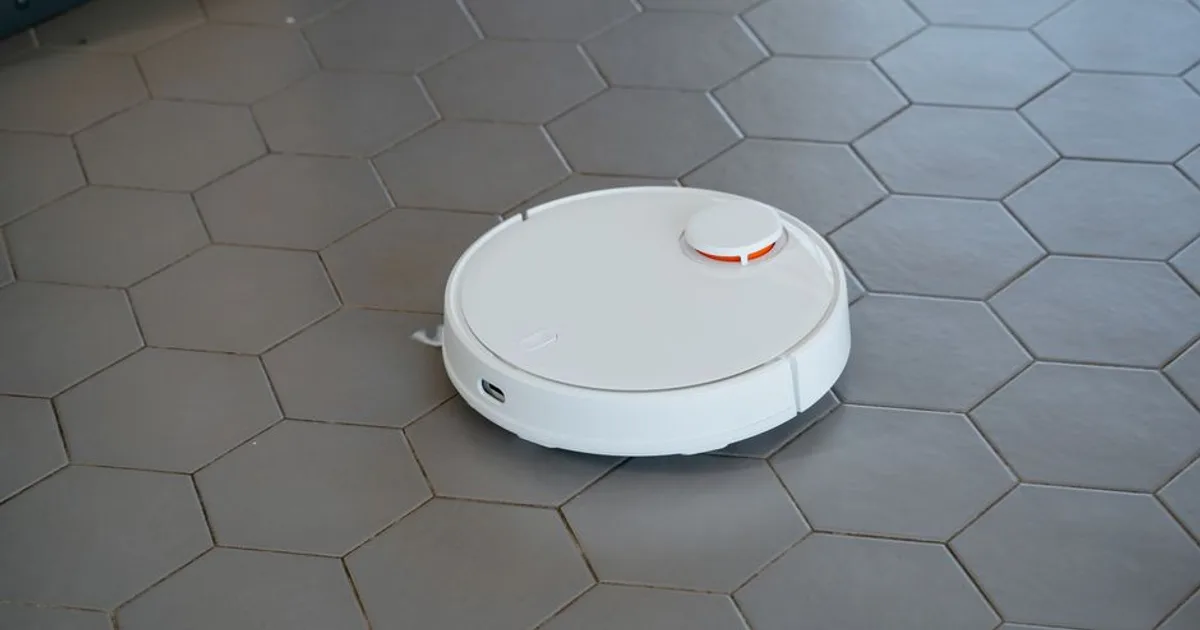
£150–350: This is where the meaningful jump happens. LiDAR or camera-based mapping means the robot knows your floor plan, cleans in methodical rows rather than random patterns, and can be directed to specific rooms via an app. Better suction, larger bins, more reliable navigation around furniture legs and cables. For most people considering a robot vacuum seriously, this is the starting price point.
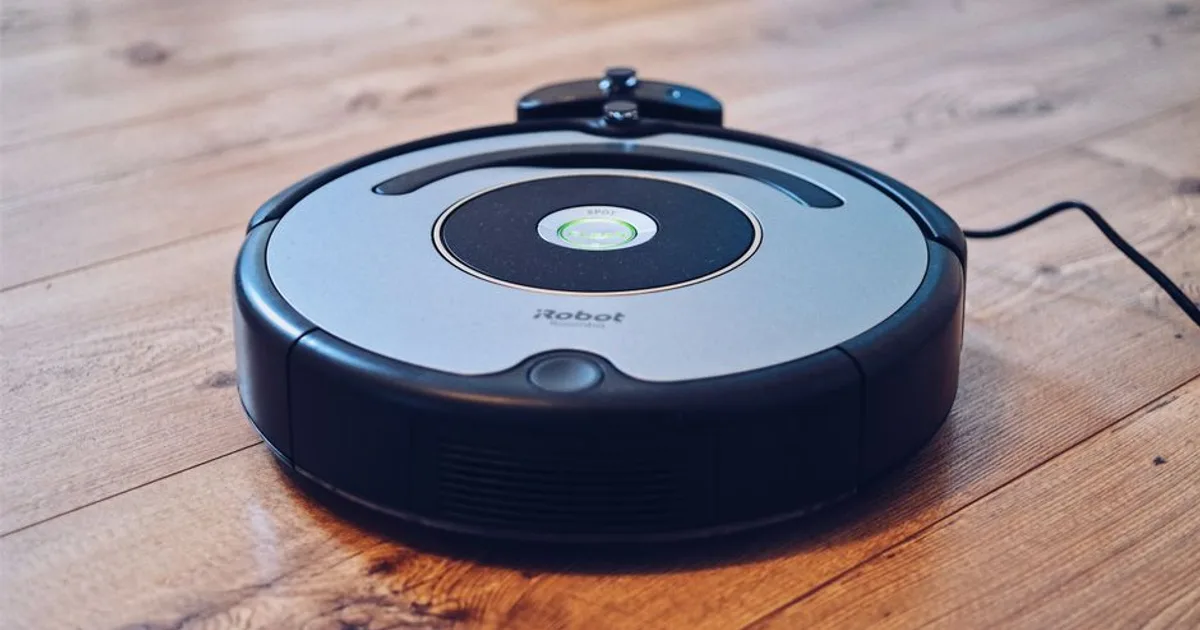
£350–600: Better suction for carpet, mopping capability in combination models (vacuum and mop in one pass), auto-empty bases that handle dustbin emptying for weeks without manual intervention, multi-floor mapping. The auto-empty base specifically is a significant quality-of-life upgrade for frequent users — you run the robot daily and empty the base weekly rather than the bin after every clean.
Above £600: Premium brands at this level offer more sophisticated object recognition, better obstacle avoidance, and in the flagship models, fully autonomous operation where intervention is genuinely rare. Roborock S-series, iRobot Roomba j-series, Dreame L20 Ultra — these are products that can identify and avoid cables, socks, and pet waste before running over them. Relevant for households with the specific problems these features solve; over-specified for most.
The models that consistently perform
Roborock Q5+ (around £350–400 with auto-empty base) is the robot vacuum that appears most frequently in recommendations for good reason. Strong suction, accurate LiDAR mapping, reliable navigation, auto-empty base at a price point that doesn't require a significant budget stretch. Works well on both hard floors and carpet. If you're buying a robot vacuum for the first time and want something that will reliably work without frustration, this is the current benchmark.
Dreame D10 Plus (around £250–300) is competitive at a slightly lower price point — good mapping, decent suction, auto-empty base included. Navigation is slightly less precise than the Roborock but the difference is minor for most floor plans. A strong value option if the Roborock price is a stretch.
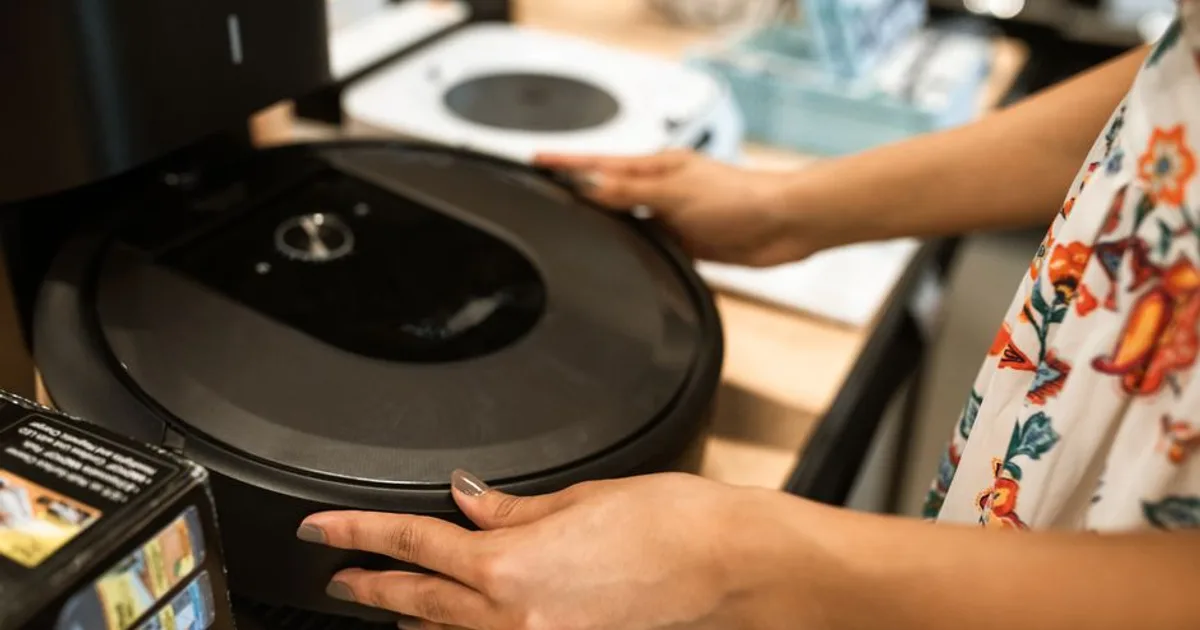
Eufy RoboVac 11S (around £150) is the budget option worth knowing. No mapping, no app, manual scheduling only. But quiet, reliable, and effective on hard floors in simple layouts. If the primary use case is maintaining hard floors in a clutter-free space without wanting to invest in the full mapped experience, it does that job.
iRobot Roomba i5+ and above if you're in a household where the brand integration with other smart home systems matters or where iRobot's specific cleaning pattern is a preference. iRobot generally costs more for equivalent specification compared to Chinese brands. The premium is partly brand, partly software ecosystem, partly specific features in the higher models.
The cable problem
The most common robot vacuum complaint is cables. A charging cable lying on the floor, a lamp cord, earphones left on the ground — these wrap around brushes and stop the robot mid-clean, often requiring a rescue mission to untangle.
If you buy a robot vacuum, clearing cables from the floor is a precondition for it working reliably. This means cable management: clips on skirting boards, cable covers, routing cords away from floor level — the same floor-clearing discipline that makes cleaning an apartment in 30 minutes faster. Alternatively, buy a premium model with camera-based obstacle detection that identifies cables before running over them — but the budget spent on that feature might be better spent on the cable management.
The honest assessment
For a household with hard floors or low-pile carpet, one or more pets, and floors that are clear of obstacles most of the time, a robot vacuum running daily is genuinely transformative. The floors are consistently cleaner, the time spent on cleaning maintenance is significantly reduced, and the cumulative effort over months is noticeably lower.
For a household with mostly carpet, significant clutter, or small square footage, the value is marginal and the frustration risk is real. A good conventional vacuum used regularly is more effective and costs less — or start with the things to throw away that clutter the floors robots can't navigate.
The question before buying is not "which robot vacuum should I get" but "is my household the kind where a robot vacuum will run reliably and produce enough time savings to be worth the cost?" If yes, start at the £300–400 range with a mapped model and an auto-empty base. If uncertain, the £150 bump-and-turn models offer a lower-risk trial.