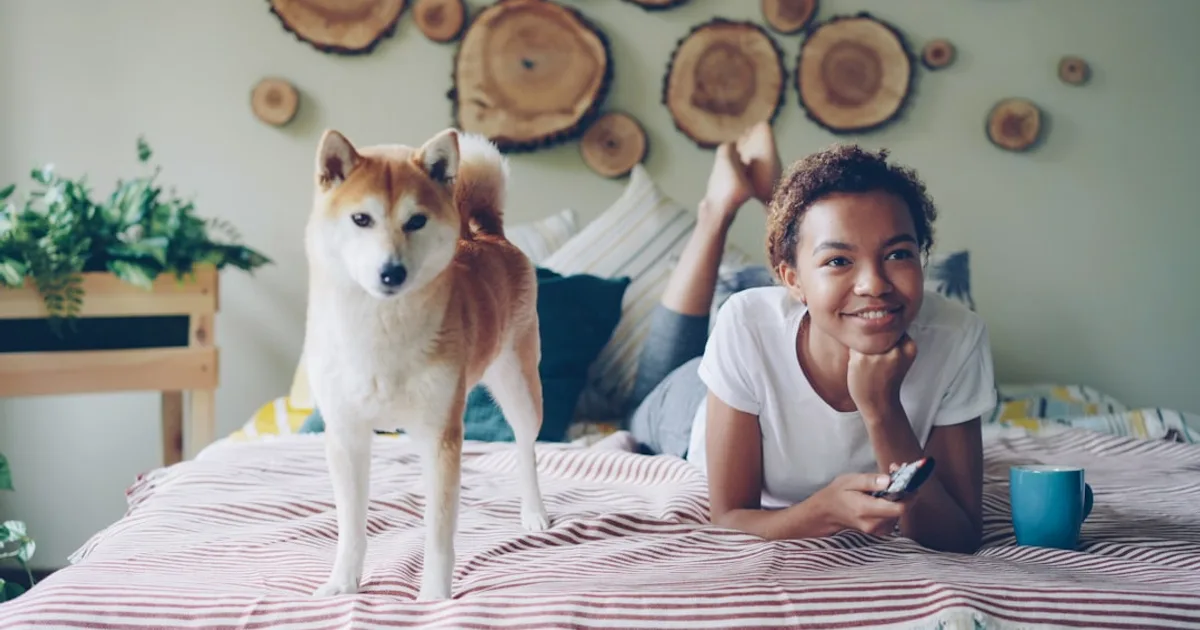
The assumption is that apartment dogs need to be small. It's understandable — a Great Dane in a studio flat you need to keep tidy sounds absurd on its face. But size is probably the least important variable when matching a dog to apartment living. A small, high-energy terrier that barks at everything and needs three hours of exercise daily is a worse apartment dog than a calm, quiet Greyhound that sleeps sixteen hours and is happy with two gentle walks.
What apartment living actually requires from a dog: low to moderate exercise needs, tolerance for being alone for reasonable periods, low barking tendency, and the temperament to be calm and settled indoors. Shedding and tracked-in debris are part of the deal too — a robot vacuum running daily makes pet hair far less of a chore in a small space.
Energy level is the real deciding factor
A dog's energy level determines how much exercise it needs to be settled at home — and a dog that isn't getting sufficient exercise is not a relaxed apartment companion. It's a destructive, anxious, vocal one.
High-energy breeds — Border Collies, Huskies, Jack Russell Terriers, Dalmatians, Vizslas, most working and herding breeds — need significant daily exercise and mental stimulation to be content. That means multiple long walks, active play, and ideally some form of structured activity like training or sport. In an apartment without easy outdoor access and with owners who work full time, these dogs are miserable and they make their misery known.
Low to moderate energy breeds are a different story. They're satisfied with regular but not excessive exercise. They settle well after a walk. They don't pace, don't bark continuously, and don't destroy things out of frustration. These dogs can genuinely thrive in an apartment.
Barking and noise
Apartment living means shared walls. A dog that barks at every sound from the corridor, every noise from neighbouring flats, or every person who walks past is a neighbour problem before it's a training problem. Some breeds bark considerably more than others and this is a real genetic tendency, not purely a training matter.
Breeds with high barking tendencies: Beagles, Chihuahuas, Fox Terriers, Miniature Schnauzers, many hound breeds that communicate vocally, most small terriers. This doesn't make them bad dogs. It makes them poor choices for thin-walled apartments where noise carries.

Quiet breeds: Greyhounds and Whippets are notably quiet. Basenjis don't bark in the conventional sense. Most large, calm breeds — Bernese Mountain Dogs, Saint Bernards — bark rarely despite their size. Cavalier King Charles Spaniels are generally quiet. Shiba Inus are quiet except when they're not, which is memorable.
Breeds that consistently work well in apartments
Greyhound and Whippet. Counterintuitive but consistently cited by urban dog owners as among the best apartment breeds. Both breeds are calm, quiet, low-odour, and sleep for most of the day — though they may still eat grass on walks without it being a cause for concern. They need two good walks daily and occasional opportunity to run, but don't require constant stimulation. Their short coats shed minimally. The main adjustment is ensuring the apartment is warm enough in winter — they feel the cold.
Cavalier King Charles Spaniel. Adaptable, affectionate, moderate exercise needs, generally quiet. They do well with company and tolerate being left for reasonable periods better than many breeds. The main consideration is health — Cavaliers have significant breed-specific health issues, particularly heart disease and syringomyelia, that make choosing a responsible breeder or a health-tested rescue particularly important.
French Bulldog. Popular in cities for good reasons: compact, quiet, relatively low exercise needs, affectionate, doesn't require a garden. The health concerns — breathing difficulties from their brachycephalic structure — are real and worth understanding before committing. Many Frenchies require veterinary management of breathing issues and struggle in heat. If you go this route, research the health issues thoroughly and budget for veterinary costs accordingly.
Shih Tzu. Bred specifically as a companion dog and it shows. They're calm, don't need much exercise, don't shed much (their coat grows rather than sheds), and are generally quiet. They're happy as long as they're near their people.
Pug. Similar profile to the French Bulldog with similar health caveats. Calm, quiet, low exercise needs. The brachycephalic breathing issues are the same concern — snoring, heat intolerance, potential surgical intervention. Aware ownership rather than avoidance is the realistic position.
Basenji. An unusual choice that works well for specific owners. They don't bark (they produce a yodel-like sound). They're cat-like in independence and cleanliness. They need more exercise than the above breeds — a solid hour daily — but their quiet nature and compact size makes them genuinely apartment-suitable. They are stubborn and not especially easy to train, which suits some owners and not others.
Italian Greyhound. Smaller version of the Greyhound with a similar temperament. Very quiet, very low shedding, affectionate with their family, calm indoors. More fragile physically than larger sighthounds and they feel the cold acutely — worth factoring in alongside winter heating costs if your flat runs cool. Good for apartment owners who want a small but not yappy dog.
What to think about beyond breed
Your actual schedule. No dog does well alone for eight or nine hours five days a week without some form of midday intervention. If you work full time and can't come home at lunch, the realistic options are a dog walker, doggy daycare, or waiting until your schedule allows for more presence. The breed matters less than the hours of solitude if those hours are excessive.
The specific dog, not just the breed. Breed tendencies are real but individual variation within breeds is substantial. A rescue dog whose personality you can observe directly is often a better match than a puppy of the right breed whose temperament is unknown — especially if you already have pets and need to plan a careful introduction. Many rescue organisations specifically assess dogs for apartment suitability and can match based on actual behaviour rather than breed assumptions.
Nearby outdoor access. An apartment with a park five minutes away is different from one where the nearest green space requires a bus journey. Easy outdoor access reduces the pressure on indoor behaviour and makes the daily exercise requirement less logistically difficult.
Building rules. The right dog for your lifestyle is irrelevant if your building prohibits the breed or imposes size limits. Check before you fall in love with a specific dog.
The honest framing
Most dogs can adapt to apartment living if their exercise and social needs are genuinely met. The apartment is not the limiting factor — the owner's lifestyle is. A dog that gets two substantive walks daily, has company for most of the day, and receives regular mental engagement will be content in an apartment. A dog that gets two short walks and is left alone all day will not be content in a house.
Choose for temperament and energy level, be honest about your actual schedule, and the size of your living space will matter much less than the popular advice suggests.