Clutter doesn't accumulate because people are disorganised. It accumulates because every individual item has a small justification for staying — it might be useful someday, it was expensive, it belonged to someone, it's not broken yet. The justifications are real. They're also how a drawer becomes unusable and a wardrobe becomes a source of low-level stress every morning.
None of the things below require emotional deliberation. They're the easy ones — the items that are objectively past their purpose and are only still here because no one has specifically decided to remove them.
1. Expired medications
Go to the medicine cabinet right now. The expired paracetamol from 2021, the antihistamines from two summers ago, the prescription that finished months back. Expired medication loses potency and occasionally degrades into something less safe than the original compound. It's not serving a backup purpose by sitting there — it's just taking up space and creating the illusion of a stocked medicine cabinet.
Don't bin medication — take it to a pharmacy for safe disposal. But collect it today.
2. Duplicates you don't use
Most households have multiples of things they only need one of. Four spatulas. Six mugs per person. Three sets of the same measuring spoons. The extras don't provide value — they just make drawers harder to close and cupboards harder to navigate.
Keep the best one. Remove the rest. The mental friction of navigating excess is real even when you don't consciously notice it.
3. Clothes you haven't worn in over a year
Not sentimental items, not occasion wear you genuinely might need — the jeans that almost fit, the shirt that was cheap so you kept it despite never reaching for it, the three similar black tops when you only ever wear one of them. If you're keeping pieces that don't work together, a capsule wardrobe audit will make the problem obvious.
The test is simple: if you haven't worn it in twelve months without a specific reason (pregnancy, injury, stored for winter), you're not going to wear it. The hesitation is sunk cost, not genuine utility.
4. Takeaway menus and old paperwork
Physical takeaway menus are obsolete — every restaurant is on Deliveroo or Just Eat. The pile of takeaway menus in the kitchen drawer is not a resource. It's paper.
Same goes for paperwork you no longer need: instruction manuals for appliances you don't own anymore, receipts from years ago, bank statements older than seven years (the standard recommended retention period), expired warranties, event programmes, anything you've kept without a clear reason.
5. Broken things you haven't fixed
The intention to repair something is not the same as repairing it. If something has been broken and sitting unrepaired for more than three months, you have already decided not to fix it — the decision just hasn't been made consciously yet.
The chair with the wobbly leg that's been in the corner for six months. The lamp that needs a new switch. The jacket with the broken zip. Either fix them this week with a specific plan — or learn a basic home repair skill you've been putting off — or accept the decision you've already made and let them go.
6. Cables and chargers for devices you no longer own
The shoebox or drawer of cables is universal. Most of them belong to phones replaced years ago, laptops long since recycled, gadgets that no longer exist. They're not a resource — they're uncertainty transformed into physical objects.
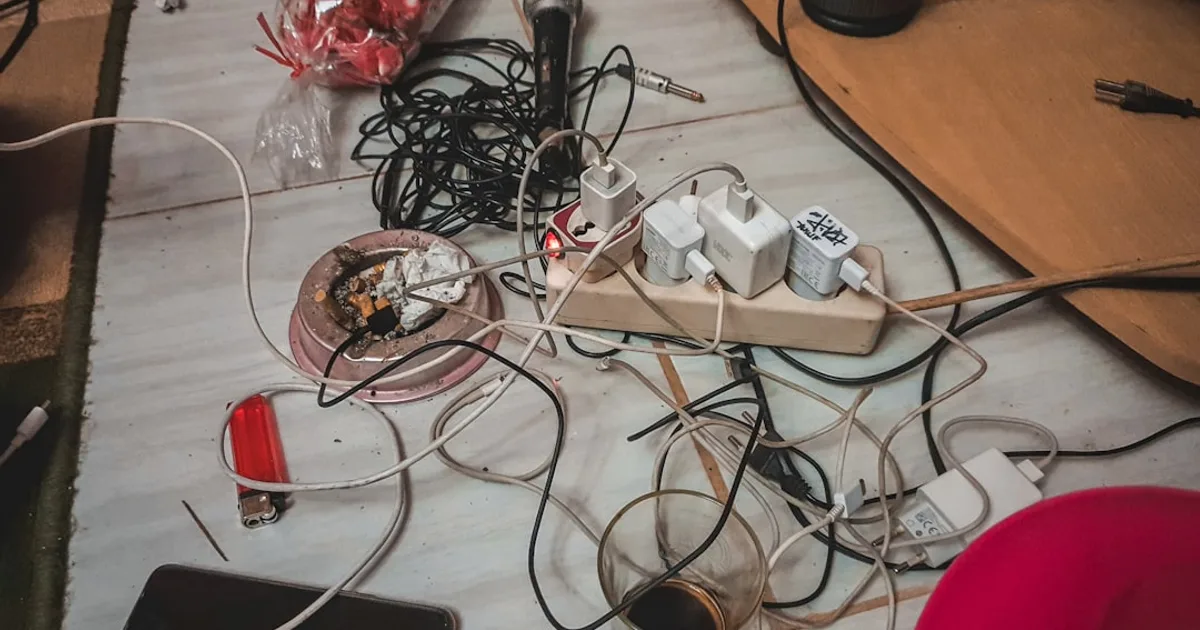
Identify what each cable is for before you decide. The ones that go to current devices: keep. The ones with no identifiable purpose: they're not going to become useful.
7. Old cosmetics and toiletries
Cosmetics have shelf lives that most people ignore. Mascara should be replaced every three months — bacteria accumulate and cause eye infections. Foundation and concealer: 12–18 months. Lipstick: 1–2 years. Most liquid products degrade significantly after opening.
The dozen half-used bottles at the back of the bathroom cabinet — the shampoo that was fine but not your favourite, the body lotion from a hotel, the perfume sample from years ago — these aren't a backup supply. They're just there, and they're a good reason to simplify your skincare to a few products you actually finish.
8. Books you'll never read again and probably won't read for the first time
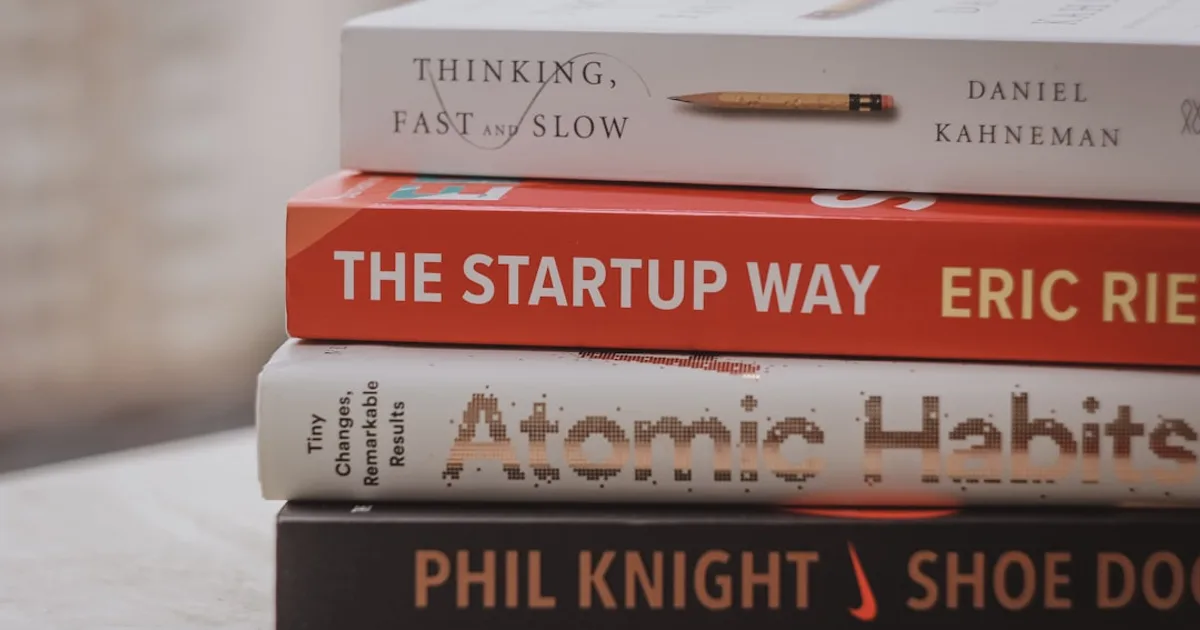
Not all books. The ones you genuinely value, the ones you might realistically reread, the ones you're actively intending to read — keep those. The ones that have been on the shelf for five years waiting to be read, the ones you finished and felt nothing particular about, the ones that seemed interesting once and don't anymore — someone else will read them and get more from them than they're currently getting sitting on your shelf.
9. Food past its date at the back of the cupboard
Go to the back of your cupboards and your freezer. The tin of something you bought for a recipe you never made, the freezer-burned item that's been there since the previous winter, the spices that are more than two years old (they're not dangerous, they're just flavourless). Clearing expired and unlikely-to-be-used food makes cooking easier and gives you an accurate picture of what you actually have.
10. Things you're keeping out of guilt
This is the category that doesn't have a product type. It's the gift from someone that you don't like and have never used, kept because throwing it away feels like rejecting the person. The inherited item that you have no connection to but feel obligated to keep. The purchase that didn't work out but cost enough that getting rid of it feels like admitting waste.
The guilt doesn't disappear when you throw the item away — it was already there. But the item serves no purpose beyond housing the guilt, and that's not a reason to keep it. The relationship with the person who gave it is not stored in the object.
None of these require a weekend or a dedicated decluttering session. Each one is a five-minute decision. The cumulative effect — more usable space, drawers that close properly, a wardrobe that reflects what you actually wear — is disproportionate to the effort involved, and it makes a quick apartment clean genuinely faster when you do need one.
Start with the medicine cabinet. It's the easiest one and sets the momentum for the rest.