The best soup you'll ever make won't come from a recipe. It'll come from a Wednesday evening when the fridge is looking sparse, there's half an onion, some wilting carrots, a tin of tomatoes, and a stock cube — and you decide to make something out of it rather than order takeaway. That's also one of the simplest ways to stretch a grocery budget without feeling like you're eating leftovers.
That soup, made from instinct and whatever's available, is often better than anything made from a carefully followed recipe. Because soup isn't a precise formula. It's a structure. Once you understand the structure, you can make good soup from almost anything, any time, without looking anything up.
The anatomy of every good soup
Every soup that works — regardless of cuisine, ingredients, or style — follows the same basic architecture. Aromatics, liquid, main ingredient, seasoning, finish. That's it. Five components. Change the specifics of each and you get Thai coconut soup or French onion or minestrone or a simple vegetable broth, but the underlying logic is identical.
Understanding each component and what it does is what lets you improvise confidently instead of guessing.
Aromatics are the flavour foundation. In Western cooking that's almost always some combination of onion, garlic, and celery — the classic mirepoix, sometimes with carrot added. In Asian cooking it's ginger, garlic, and spring onion. In North African cooking it's onion, garlic, and spice. The aromatics are cooked in fat first, before any liquid is added, and this step is not optional. Raw aromatics dissolved into liquid produce a thin, harsh flavour. Cooked aromatics — softened in butter or oil for 8–10 minutes over medium heat until translucent and sweet — produce depth and roundness that you can't replicate any other way.
Liquid is the medium everything cooks in and the base of the final flavour. Stock is better than water — significantly better. Homemade stock is best, but good quality carton stock is a legitimate alternative. A stock cube dissolved in water works and is honest about what it is. Plain water is a last resort and benefits from being supplemented with something — a parmesan rind, a splash of soy sauce, dried mushrooms — to add body.
The ratio of liquid to everything else determines whether you end up with a hearty thick soup or a light broth. Neither is wrong. Adjust to what you want.
The main ingredient is whatever the soup is actually about — the thing that defines it. Roasted tomatoes. Butternut squash. Lentils. Leeks. Leftover roast chicken from a weeknight dinner. White beans. Mushrooms. Broccoli. The main ingredient usually goes in after the aromatics are cooked, gets briefly sautéed or just added directly, and then simmers in the liquid until soft enough to either eat as-is or blend.
Seasoning is an ongoing process, not a final step. Salt at the beginning (with the aromatics), taste during cooking, adjust at the end. Acid — a squeeze of lemon juice, a splash of white wine vinegar — is the thing most home cooks forget and the thing that makes soup taste finished rather than flat. A small amount of acid at the end brightens everything. It doesn't make the soup taste sour; it makes it taste more like itself.
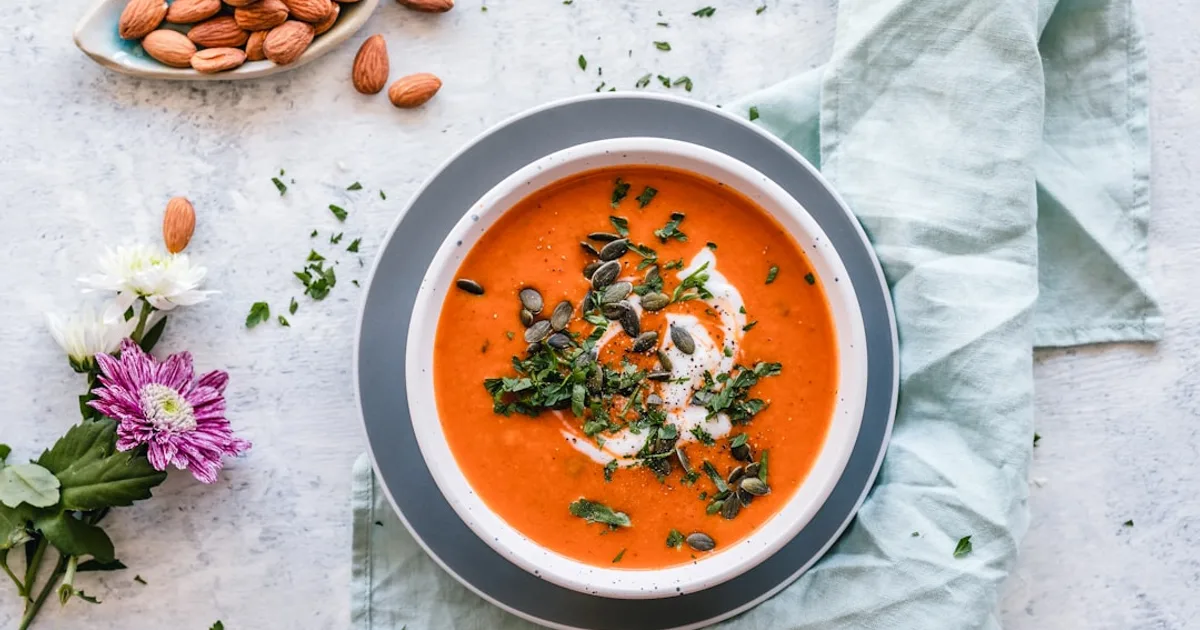
The finish is what transforms a soup from food into a meal. A swirl of good olive oil or cream. Fresh herbs. Croutons. A spoonful of pesto. Toasted seeds. Chilli flakes. A soft-boiled egg. This step is optional in the sense that soup without a garnish is still soup — but a thoughtful finish costs almost nothing and makes a real difference to how the bowl feels.
The method, applied
Here's the process applied to a specific, common situation: you have onions, garlic, carrots, a tin of tomatoes, some lentils, and a stock cube.
Start with the aromatics. Dice the onion and slice the carrots into rounds. Crush or roughly chop the garlic. Heat a generous pour of olive oil in a large saucepan over medium heat. Add the onion and carrots with a good pinch of salt. Cook, stirring occasionally, for 10 minutes. You're not trying to brown them — you want them soft and sweet. The salt draws moisture out and speeds the process. Add the garlic in the last two minutes so it doesn't burn.
Add your spice at this point if you're using any. Cumin and smoked paprika work well with lentils. Dried thyme or oregano for something more European. A teaspoon of whatever you choose, stirred into the oil with the aromatics for 60 seconds until fragrant.
Add the tin of tomatoes, breaking them up with a spoon. Let them cook into the aromatics for 3–4 minutes. Add the lentils (red lentils don't need soaking and cook in 20–25 minutes; brown or green lentils need 35–40 minutes). Pour in your stock — roughly 1.2–1.5 litres for a hearty soup that serves four. Bring to a simmer, adjust the heat to maintain a gentle bubble, and cook until the lentils are completely soft.
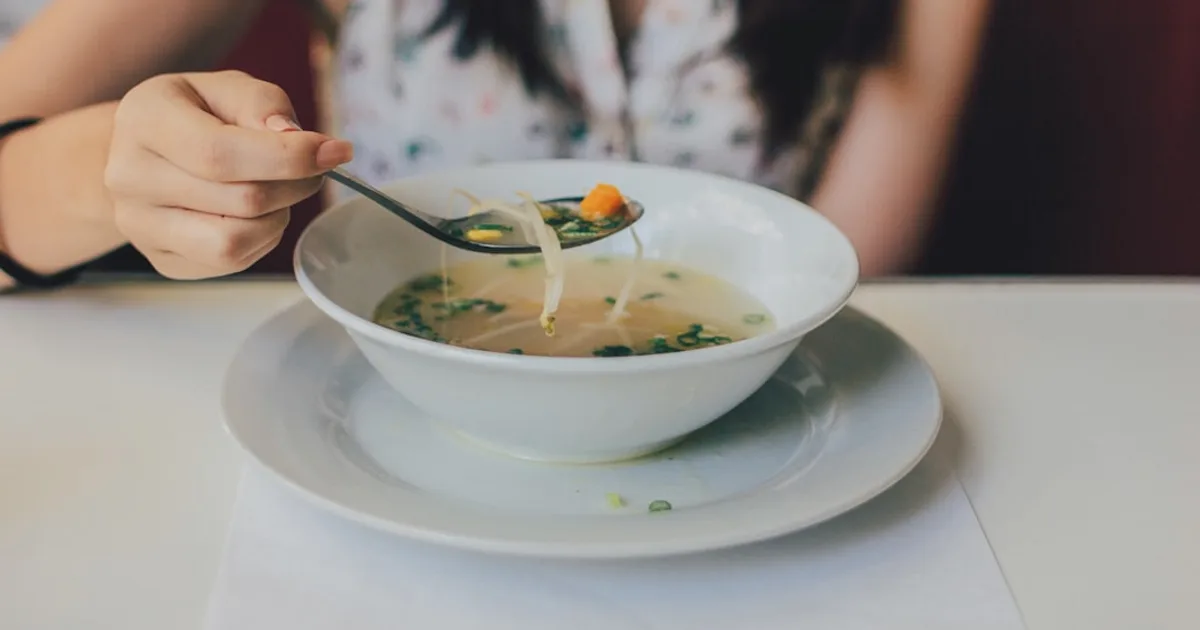
Taste. Add salt if it needs it. Add a squeeze of lemon juice — more than you think, probably half a lemon. Taste again. The soup should taste bright and full, not muddy. If it tastes flat, it needs either more salt or more acid. If it tastes harsh, it needs more time or a pinch of sugar to balance the tomatoes.
Finish with a drizzle of olive oil, some fresh parsley if you have it, maybe a little crumbled feta on top. Serve with homemade bread.
That soup, made from the cheapest, most basic ingredients, is genuinely good. The process is what makes it good — not the ingredients.
Knowing when to blend and when not to
Some soups should be smooth. Some should be chunky. Some benefit from being partially blended — roughly processed so there's both creaminess and texture. The decision is aesthetic, not technical, but there are useful guidelines.
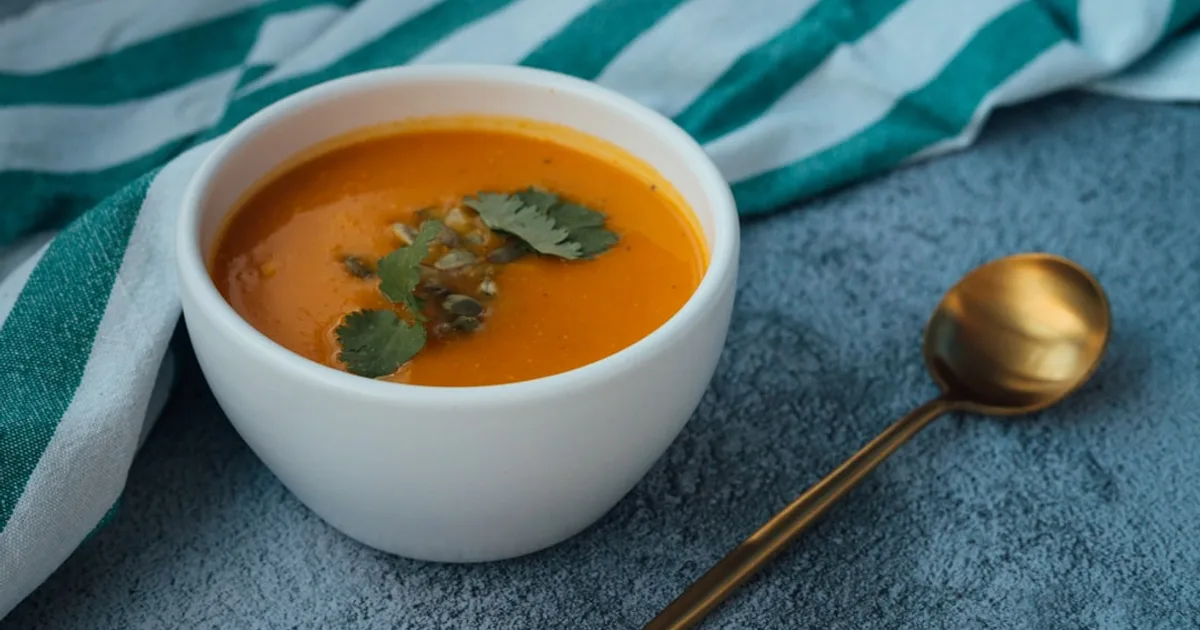
Smooth soups work best when the main ingredient has a naturally creamy texture when cooked — butternut squash, sweet potato, roasted tomato, cauliflower, carrot. Blend completely with a stick blender until silky, then taste and adjust seasoning (blended soups often need more salt than their chunky equivalents).
Chunky soups work when the ingredients have individual character worth preserving — minestrone with pasta and beans, chicken and vegetable, anything where the pieces are part of the point.
Partial blending is the technique worth knowing. Blend about a third of the soup and stir it back in. The blended portion thickens and enriches the broth while the rest keeps its texture. This works particularly well with bean soups and lentil soups where a fully blended result can be too thick and a fully unblended result can feel thin.
What to do when it's not quite right
Too thin: Simmer uncovered for longer to reduce. Or blend a portion to add body. Or add something starchy — more lentils, a potato, some cooked pasta or leftover rice — and simmer until soft.
Too thick: Add more stock or water, simmer briefly to combine, taste and re-season.
Tastes flat: Salt first. Then acid. A squeeze of lemon or a splash of vinegar does more to revive a flat-tasting soup than any other intervention. If it still tastes thin after seasoning, a small knob of butter stirred in at the end adds richness and rounds everything out.
Too salty: Add more liquid. Add a raw potato, simmer for 15 minutes, remove — the potato absorbs some salt. Add something acidic to balance the saltiness. There's no perfect fix for an over-salted soup, which is why you season gradually throughout rather than all at once at the end.
Tastes bitter: Usually from aromatics that browned too fast rather than softening slowly, or from burnt garlic. A pinch of sugar can help. So can adding something sweet — a grated carrot, a roasted red pepper. Sometimes you just have to start again, which is a useful reminder of why the first 10 minutes of softening aromatics patiently matters.
Building the habit
The cooks who make great soup consistently aren't following better recipes. They're making soup regularly enough that they've internalized the structure and developed an instinct for what a soup needs at each stage.
Make soup once a week for a month. Use whatever needs using up. Pay attention to what happens when you add more acid, when you blend vs leave chunky, when the aromatics are properly cooked versus rushed. After four soups, you'll have more practical knowledge than any recipe can give you.
Soup is also one of the most economical things you can cook — it stretches small amounts of protein and cheap vegetables into meals that are genuinely satisfying. A whole chicken carcass, some aromatics, and whatever vegetables are in the fridge will produce four to six portions of soup for almost nothing — the same pantry-first mindset as quick weeknight pasta sauces. That's not just convenient. In a household where food costs matter, it's genuinely useful.
The recipe you eventually don't need is the point. Get there and the kitchen feels like a different place.