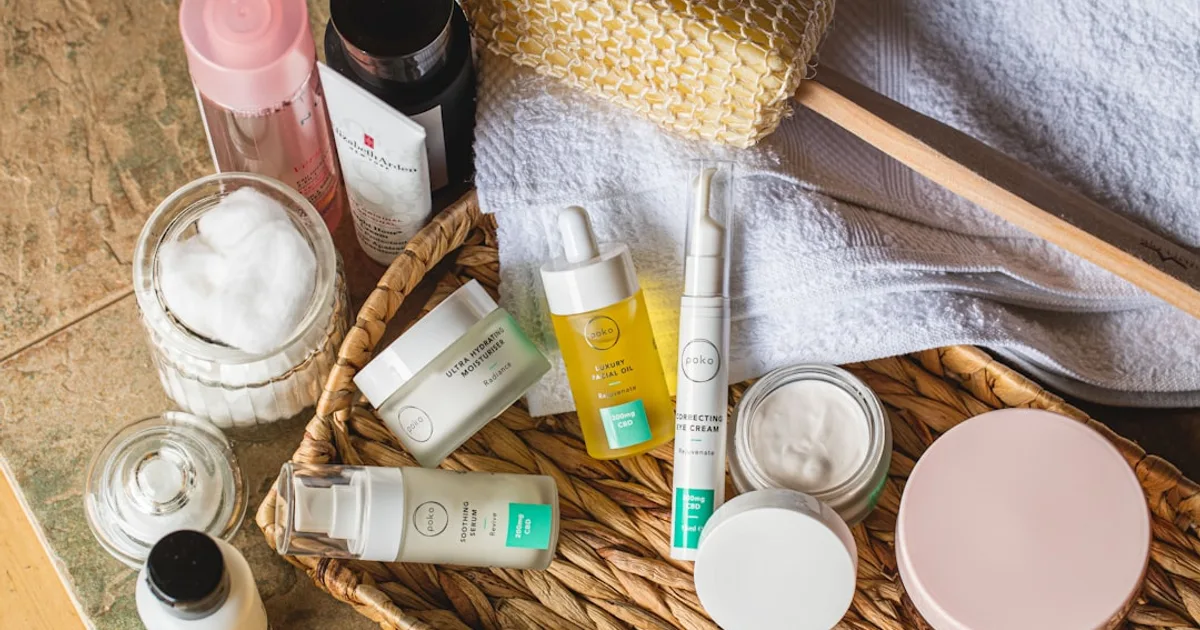
The skincare industry has a commercial interest in making skincare seem complicated — which is partly why so many bathrooms end up with the half-used bottles a beginner routine is designed to avoid. A ten-step routine sells ten products. The reality is that most people's skin would be significantly better served by three products used consistently than by ten products used sporadically and incorrectly.
This is a routine for someone starting from zero — no elaborate existing routine, no specific skin condition requiring medical attention, just a person who wants their skin to be healthy and to age reasonably well. It works for most skin types with small adjustments and costs far less than the marketing suggests it should.
The three products that actually matter
Everything in skincare beyond these three is optimisation. These are the foundation.
A gentle cleanser. Twice daily — morning and evening — to remove sweat, oil, pollution particles, sunscreen residue, and makeup. The cleanser does not need to be expensive or sophisticated. It needs to be gentle enough not to disrupt the skin barrier. A cleanser that leaves your skin feeling tight or slightly stinging after use is too harsh. The skin should feel clean but comfortable — not squeaky or dry.
What to look for: fragrance-free (fragrance is the most common cause of skin irritation and offers zero skincare benefit), pH-balanced (around 4.5–5.5 for most skin types), no sulphates for dry or sensitive skin. CeraVe Hydrating Cleanser, La Roche-Posay Toleriane, and Simple Kind to Skin are reliable options at accessible price points. The specific brand matters less than these criteria.
A moisturiser. Applied after cleansing, morning and evening, while skin is still slightly damp. The moisturiser's job is to maintain the skin barrier — the outermost layer that keeps moisture in and irritants out. A functioning skin barrier is what makes skin look and feel healthy. Breaking it down, which harsh products and over-cleansing do, leads to sensitivity, redness, and the kind of dullness that no serum compensates for.
Again: fragrance-free. For most beginners, a simple moisturiser with ceramides, hyaluronic acid, or glycerin does the job without complexity. CeraVe Moisturising Cream is the standard recommendation for good reason — it's inexpensive, fragrance-free, and contains ceramides that actively support the barrier rather than just sitting on top of it.
Skin type adjustment: dry skin benefits from a richer cream formula. Oily skin benefits from a lighter, gel-based formula. Combination skin typically needs a lighter formula on the T-zone and something slightly richer on drier areas. If you're unsure, start with a medium-weight lotion and adjust from there.
SPF. Every morning. This is the single most impactful thing you can do for long-term skin health and is the product most beginners skip because it feels optional. It isn't. UV damage is the primary cause of premature skin ageing — wrinkles, dark spots, loss of elasticity — and it accumulates from ordinary daily exposure, not just beach days. Cloud cover doesn't block UV. SPF in your moisturiser is better than nothing but usually not sufficient — a dedicated SPF 30 or 50 applied as the last step in your morning routine is the standard.
A good SPF should be comfortable enough that you'll actually wear it daily. If it's greasy, leaves a white cast, or makes your skin look worse, you won't use it consistently regardless of its technical efficacy — much like the grooming baseline in looking put-together. Skin type matters here: oily skin does better with a gel or fluid SPF, dry skin with a creamier formula. Altruist SPF 50 is effective and costs very little. La Roche-Posay Anthelios and EltaMD are more expensive but better suited to sensitive or reactive skin.
The routine in practice
Morning: Cleanse, moisturiser, SPF. Three minutes — easy to fold into a morning routine once the sequence is automatic.
Evening: Cleanse (double cleanse if you've worn sunscreen or makeup — an oil-based cleanser first to dissolve sunscreen and makeup, then your regular cleanser), moisturise. Two minutes.
That's it. This is the complete beginner routine. Applied consistently for eight to twelve weeks, it produces a meaningful improvement in skin texture, hydration, and evenness for most people starting from nothing.
What to add next, and when
Once the basic routine is consistent — meaning you're actually doing it daily, not aspirationally — and your skin has stabilised, there are two additions worth considering.
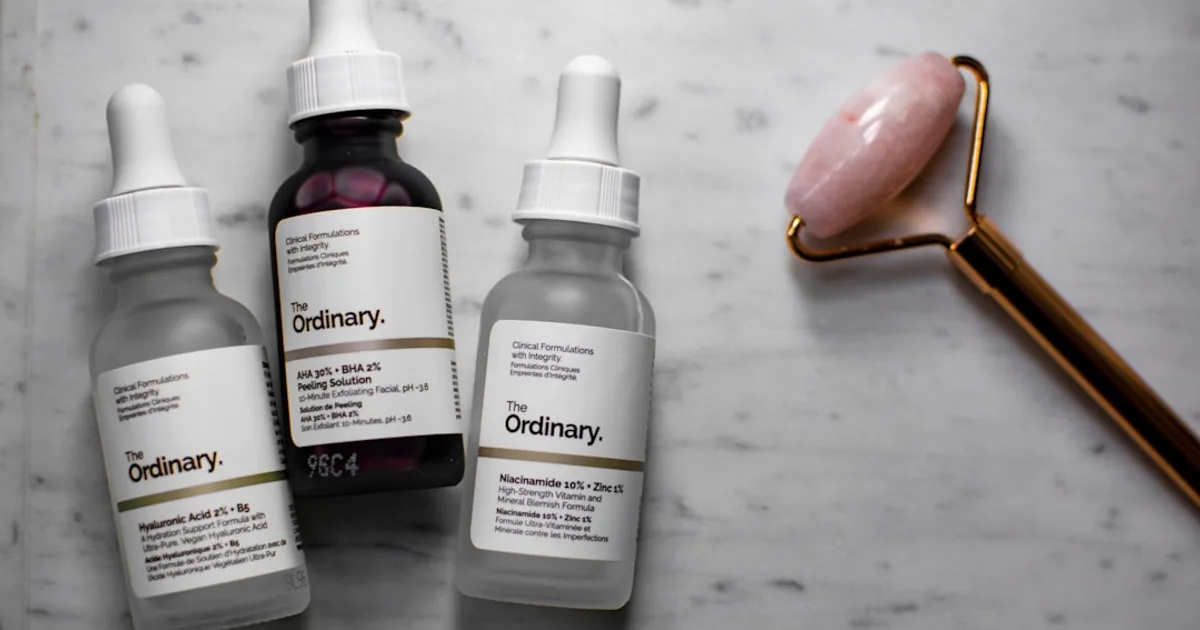
Vitamin C serum, morning. Vitamin C is an antioxidant that protects skin from environmental damage, brightens uneven skin tone, and supports collagen production over time. Applied in the morning under moisturiser and SPF, it extends the protective function of SPF. Start with a lower concentration (10%) if you haven't used it before — higher concentrations can cause irritation in sensitive skin. The Ordinary's Vitamin C Suspension and L-Ascorbic Acid serums are affordable options. Paula's Choice C15 Super Booster is more expensive and more stable.
Retinol, evening. Retinol is the most evidence-backed ingredient in non-prescription skincare for long-term skin improvement — it accelerates cell turnover, reduces the appearance of fine lines over time, and improves texture. It also causes initial dryness and flaking in most people and needs to be introduced slowly: once a week for two weeks, twice a week for two weeks, then every other night, building toward nightly use over two to three months. Start with a low concentration (0.025–0.1%) and work up. Don't use retinol in the same routine as Vitamin C — they work better used at different times of day.
Retinol makes skin more sensitive to sun damage, which is another reason morning SPF is non-negotiable once you introduce it.
What to skip
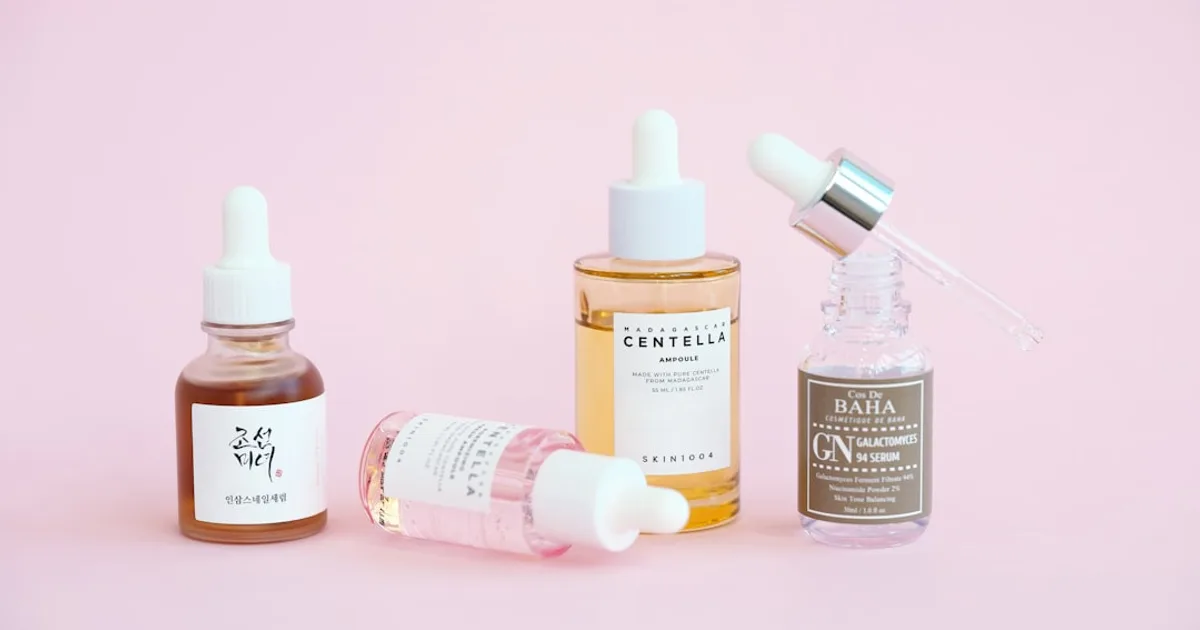
Most serums. The serum market is where marketing budgets go to retire — and where impulse buying habits are easiest to trigger with packaging alone. Most serums provide minimal benefit over a good moisturiser and a consistent SPF practice. The exceptions — Vitamin C and retinol — are well evidenced. The rest are largely optimisation at the margin.
Eye creams. The eye area has thinner skin and does benefit from careful treatment, but most eye creams are moisturiser in smaller packaging at a higher price. Applying your regular moisturiser carefully to the orbital bone (not directly on the eyelid) has the same effect for most people.
Toners. Modern toners are unnecessary for most people if you're using a gentle cleanser that doesn't disrupt your skin's pH. The original purpose of toner — restoring pH after harsh alkaline cleansers — is obsolete with modern formulations.
Anything that makes your skin tingle. Tingling feels active but it's actually irritation. Ingredients that produce tingling — menthol, high concentrations of alcohol, some acids applied incorrectly — are disrupting your skin barrier, which is the opposite of what you want.
The mindset that matters
Skincare is a marathon not a sprint. Products that promise visible results in three days are almost always marketing. The improvements from a consistent simple routine take weeks to appear and months to fully develop — skin cell turnover takes approximately 28 days, and the improvements from barrier repair and SPF protection compound slowly over time.
The people with the best skin in their forties and fifties are almost never the ones with the most elaborate routines — and they're often the same people who've built a capsule wardrobe instead of an overflowing closet. They're usually the ones who started wearing SPF daily in their twenties and kept their skin barrier intact. Start there. Add complexity only if and when you have a specific, evidence-based reason to.