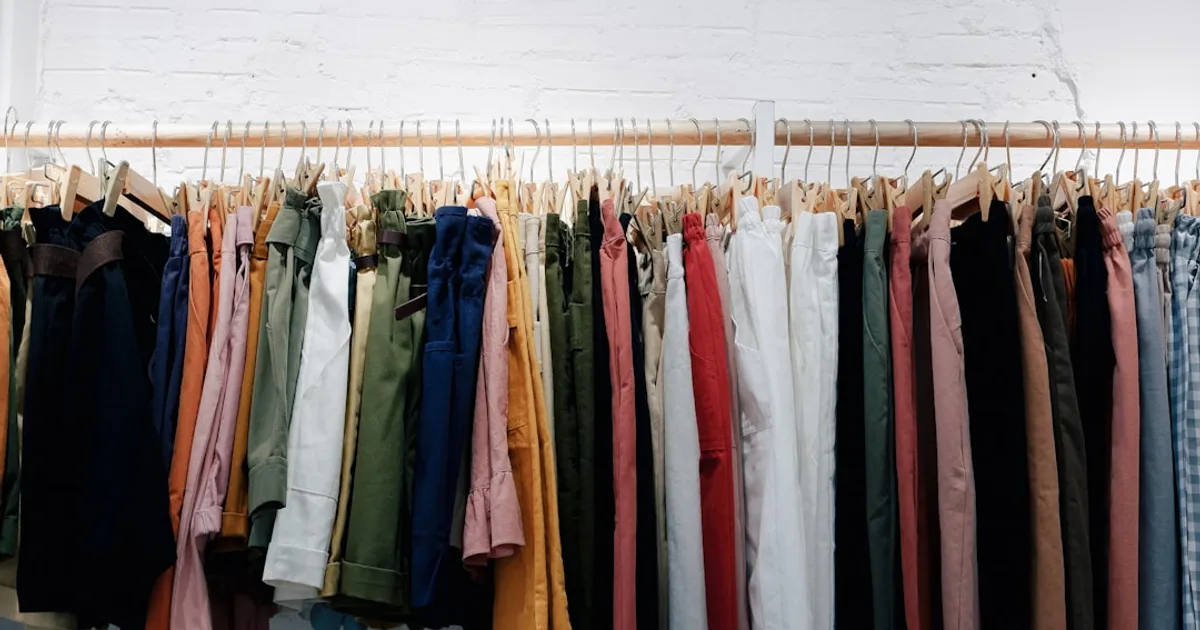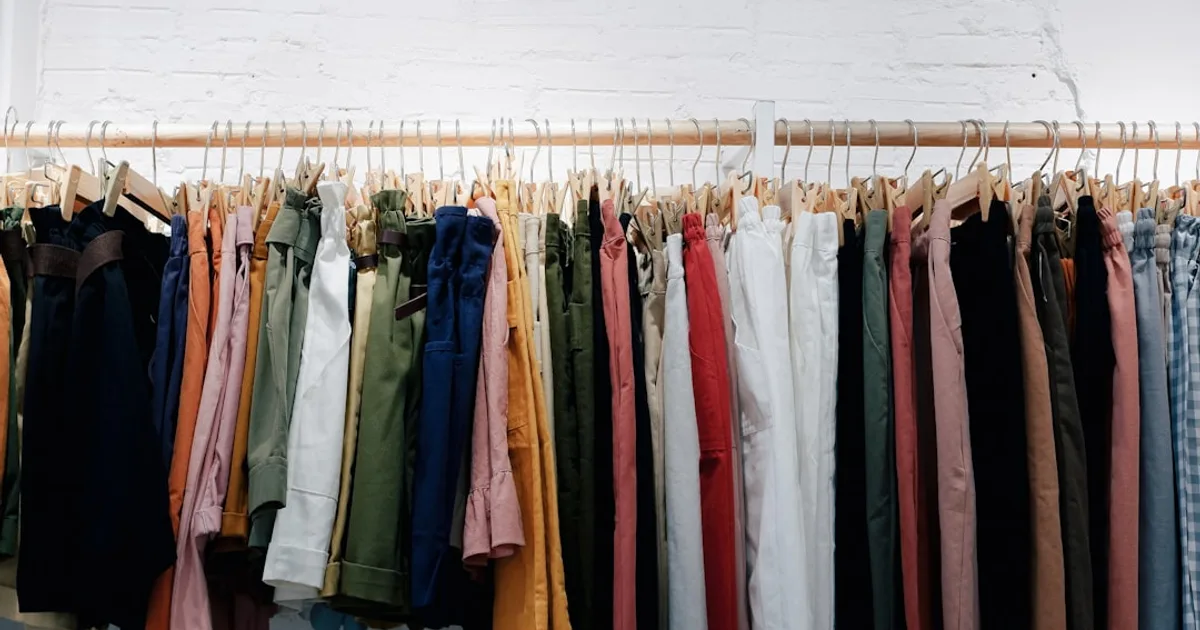
The goal of interview dressing is not to stand out. It's to remove clothing as a variable so the interviewer is thinking about you — your answers, your experience, your presence — rather than what you're wearing. Memorable interview outfits are almost always memorable for the wrong reasons.
This doesn't mean dressing boringly. It means dressing appropriately for the specific context, which takes more thought than either "wear a suit" or "just be yourself."
Research the company before you decide anything
The single most useful thing you can do before choosing an interview outfit is look at how people at that company actually dress. LinkedIn profiles of current employees, the company's Instagram or website photography, Glassdoor reviews that mention culture — any of these will tell you more than any generic interview dressing guide.
A fintech startup where everyone works in hoodies and the office has a foosball table in the photos requires a different calculus than a law firm or a bank. Walking into a creative agency in a formal suit signals that you haven't done your homework. Walking into a corporate law firm in smart jeans signals the same thing in the other direction. A versatile capsule wardrobe makes switching between these contexts much easier.
The principle: dress one level above what you observe people wearing day-to-day at that company. If the office is casual, go smart casual. If the office is business casual, go business formal. If the office is already formal, match it. This positions you as someone who understands the culture while demonstrating that you've made an effort.
What each dress code actually means
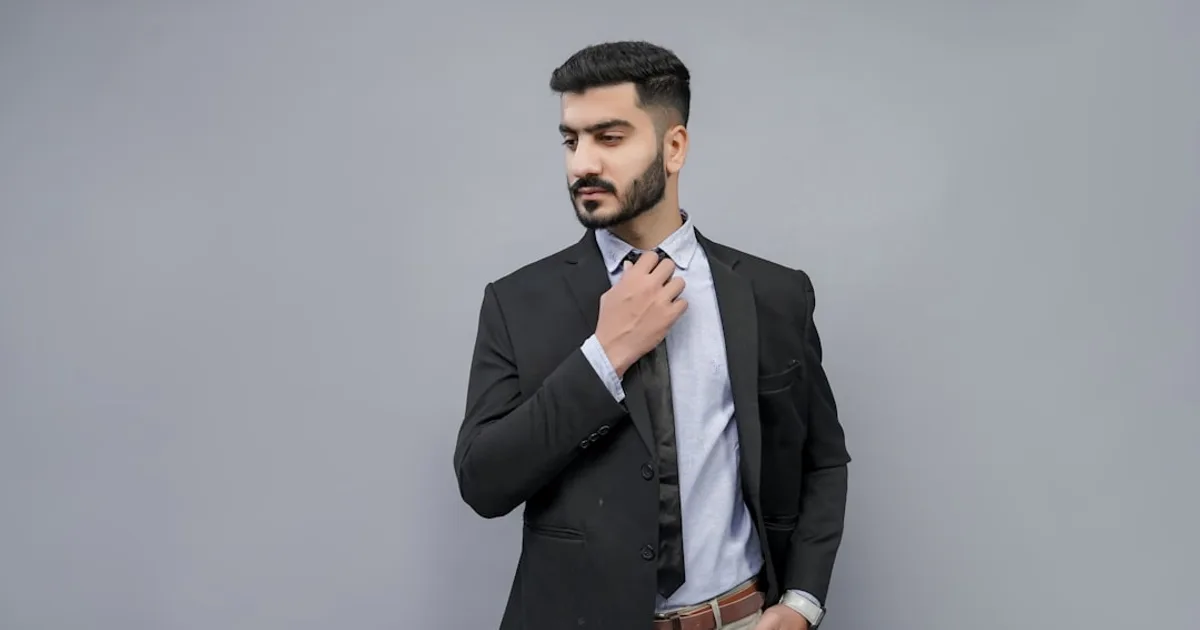
Business formal is suits, or a blazer and tailored trousers, or a formal dress or skirt suit. This is the default for finance, law, consulting, government, and any organisation where client-facing formality is part of the culture. A dark suit in navy, charcoal, or grey. A white or pale blue shirt. Conservative tie if wearing one — solid or subtle pattern, nothing novelty. Polished shoes.
For women: a suit, a tailored dress with a blazer, or tailored separates in neutral tones. Heels are not required — a clean, closed-toe flat or low block heel is equally appropriate.
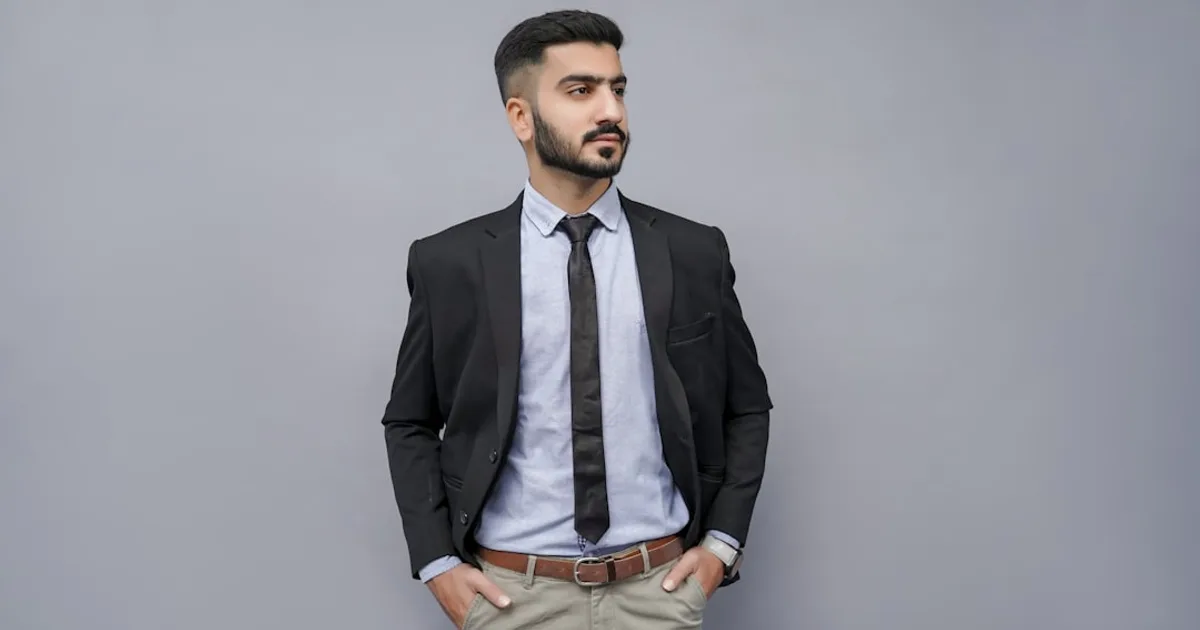
Business casual is where most contemporary office interviews fall. This means no suit required, but not jeans or trainers either. For men: tailored chinos or trousers in a neutral colour, a button-down shirt (tucked in), a blazer or structured jacket. Clean leather shoes or smart loafers. For women: smart trousers or a midi skirt, a blouse or structured top, a blazer, flat shoes or modest heels. The key words are tailored and intentional — casual fabrics and relaxed fits don't work here even if the specific items are the right type.
Smart casual is what most creative, tech, and startup environments actually want when they say "dress casually." This does not mean jeans and a t-shirt. It means dark jeans (clean, no distressing) with a nice shirt or blouse, or smart trousers with a less formal top. A blazer over casual clothes immediately moves an outfit into smart casual territory. Clean trainers — not athletic ones — are acceptable in genuinely casual environments. When in doubt, add a layer of formality rather than remove one.
The things that derail otherwise good outfits
Fit is the variable that overrides everything else — the same principle behind looking put-together on a budget. A well-fitting outfit at any level of formality looks better than an ill-fitting one at a higher level. Trousers that are too long, a jacket that pulls at the shoulders, a shirt that gaps at the buttons — these read as careless regardless of what the individual pieces cost.
If you're buying something new for an interview, try it on and move in it. Sit down. Raise your arms. Check that nothing rides up, gapes, or wrinkles badly with movement. You'll be sitting for most of the interview and these things become apparent quickly.
Condition matters as much as choice. Creased clothes, scuffed shoes, an outfit that's clearly been pulled from the back of a wardrobe suggest either disorganisation or a lack of care about the impression you're making — which is why washing clothes gently and storing them properly matters as much as what you buy. The outfit that's been laid out the night before — a habit worth building into your morning routine — steamed if needed, with clean and polished shoes, reads as prepared — which is exactly what you want to communicate before you've said a word.
Fragrance: minimal or none. Strong fragrance in an enclosed office space is a genuine distraction, and some people have sensitivities. If you wear cologne or perfume, one spray, well before you arrive.
Visible logos: absent or very subtle. A brand's logo on your chest makes your clothes a statement about consumption preferences rather than professional competence. Solid colours and minimal branding are cleaner and more versatile.
Remote and video interviews
Video interviews have one variable that in-person interviews don't: the background. A clean, uncluttered background reads as organised. A messy room behind you, even with a professional outfit in the foreground, creates a mixed message.
Dressing for video doesn't mean from the waist up only — interviewers who ask you to move or who see you stand up will notice the bottom half. Dress fully. It also affects how you feel, which affects how you present.
Colours that work on camera: solid mid-tones, jewel tones, clear navy or burgundy or forest green. Colours that don't work well: very bright white (overexposes in most lighting), very dark navy or black in low light (merges with shadows), and fine stripes or herringbone patterns that create visual interference (moiré) on camera.
Lighting matters as much as clothing on video. Natural light facing you — a window in front of you, not behind — is better than overhead lighting and dramatically better than the greenish tinge of desk lamps. If you look well-lit and clear, the outfit reads better regardless of what it is.
On the day
Arrive in the outfit you've chosen without having rushed into it twenty minutes before. The stress of a rushed morning shows. The clothes that were carefully chosen and put on calmly present differently than the same clothes thrown on in a panic.
Check in a full-length mirror before you leave, under the lighting you'll be seen in. Phone camera in the room you're getting dressed in doesn't replicate what an interviewer sees across a well-lit office. A full mirror in natural or good artificial light shows what you're actually presenting.
One final thing: wear something you've worn before if possible, or break in new shoes before the day. The interview that's also the first time wearing something is two problems to manage simultaneously. Familiar clothes that you know fit and move well are one fewer thing to think about, which is the whole point — freeing your attention for what actually matters in the room.