A cramped closet usually gets blamed on its size. In most cases the size isn't actually the problem — the contents are. A small closet holding only what someone genuinely wears and uses functions better than a large closet stuffed with things that don't belong there. Before buying a single organizer or hanging system, the closet needs to be emptied and edited — the same editing-first mindset behind a capsule wardrobe. Everything after that is just making the remaining things easier to see and reach.
Start by taking everything out
This is the step people skip because it feels like more work than it is, and it's also the step that makes every later decision easier. Pull everything out of the closet — clothes, shoes, bags, the stuff that's accumulated on the floor and the shelf above the rail. Put it all somewhere you can actually see it, like a bed or a clear stretch of floor.
With an empty closet, you can see what you're actually working with: the real dimensions, where the rail sits, whether there's wasted space above or below, whether the shelf is at an awkward height. None of that is visible when the space is full and you're working around what's already there.
Edit before you organize
Sort everything into three piles: keep, donate or sell, and a smaller "unsure" pile for things that need more thought. Be honest rather than sentimental during this pass — the same ruthless filter as any decluttering sweep. The test that works best: if you haven't worn or used something in over a year, and there isn't a specific, near-term reason it's been waiting (a seasonal item stored out of season, for example), it's very unlikely to get worn going forward.
A small closet filled only with things you actually wear functions like a much larger closet that's half full of things you don't. The organizing tools below only work well once this editing has happened — no shelf divider or hanging system fixes a closet that's simply holding too much.
Use the vertical space properly
Most small closets only use the middle third of their height effectively — the hanging rail and maybe one shelf above it. The space above that shelf, and the floor below the hanging clothes, are usually underused.
Add a second rail beneath the existing one for shorter items — folded-length shirts, jackets that don't need full length, skirts on hangers — effectively doubling your hanging capacity in the same width. Double hanging rods are inexpensive and most can be installed without tools, simply hooking onto the existing rail.
For the space above the main shelf, stackable bins or labeled boxes hold out-of-season items, accessories, or things used infrequently. Use clear bins or label them clearly — storage you can't identify without opening every box stops being used.
The floor space below hanging clothes is one of the most wasted areas in a small closet. A shoe rack, stacked storage bins, or a small set of drawers designed to fit under hanging clothes reclaims that space rather than leaving it as a place where things get dropped and forgotten.
Group by category, not by whatever's convenient
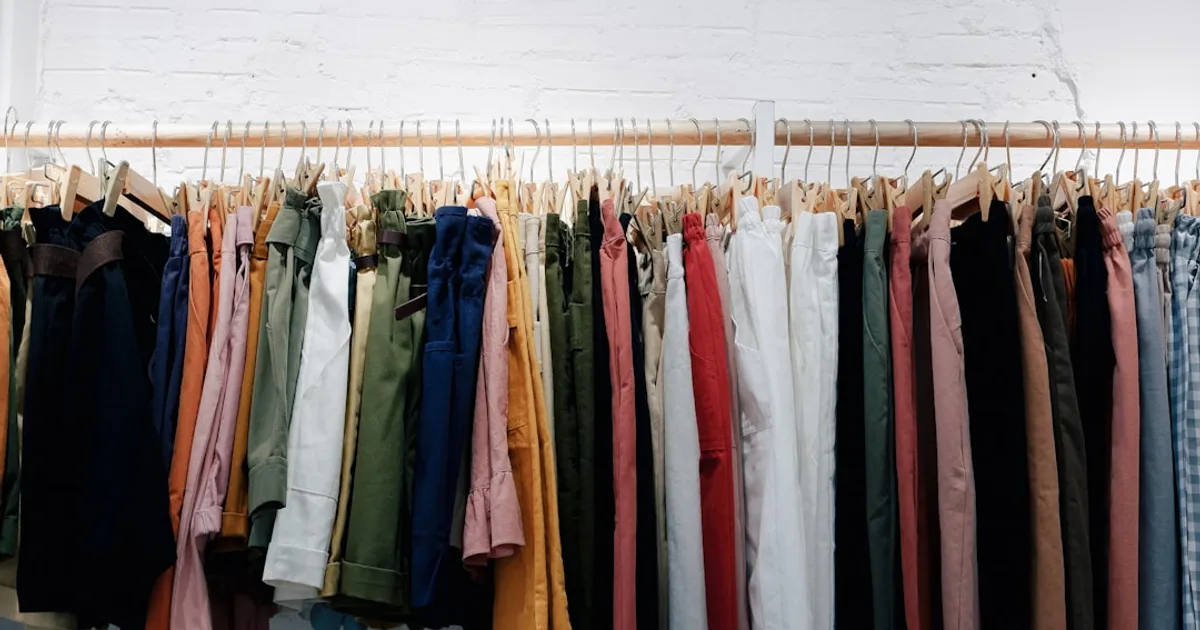
Clothes organized by type — all shirts together, all trousers together, dresses together — are dramatically easier to find than clothes organized randomly or by whenever they happened to go back in the closet. Within each category, organizing by color makes individual items even faster to locate and tends to make the whole closet look more put together, almost as a side effect.
This sounds like a small thing. In practice, it's the difference between opening a closet and immediately seeing what you have versus opening a closet and rifling through everything to find one specific item. The few minutes spent grouping things during setup save time every single day afterward.
Choose the right hangers
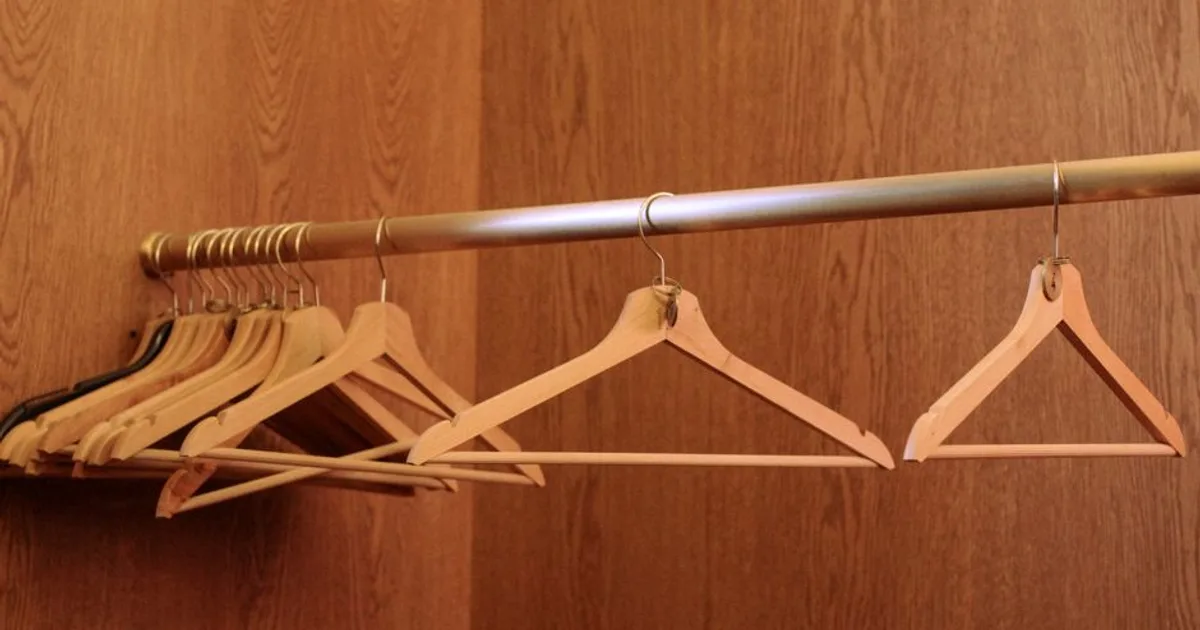
This matters more than it sounds like it should. Slim, non-slip velvet or flocked hangers take up significantly less rail space than wooden or standard plastic hangers — switching an entire closet to slim hangers can free up meaningfully more hanging space without removing a single garment. They also keep clothes from sliding off, which keeps the closet looking tidier with less effort.
Standardizing on one hanger type throughout also has a visual effect — a closet with five different hanger types looks cluttered even when it's well organized, while a closet with uniform hangers looks deliberate and calm even when it's reasonably full.
Use the door and side walls
The inside of a closet door is usable space that's empty in most closets. An over-the-door organizer with pockets handles accessories, scarves, belts, or shoes without taking up any rail or shelf space. Hooks mounted on the door or an interior side wall work well for bags, robes, or items worn and removed daily — keeping them accessible without needing a hanger.
If the closet has any unused wall space beside the hanging rail, slim shelving or a hanging shoe organizer makes use of it without crowding the main hanging area.
Fold what doesn't need to hang
Not everything needs a hanger, and over-hanging is one of the most common reasons small closets feel crowded. Knitwear, t-shirts, and casual basics fold and stack well — the same reason you fold rather than hang heavy knits when storing them — freeing rail space for things that genuinely need to hang: structured jackets, dresses, anything prone to wrinkling.
If there's a dresser or drawer space available outside the closet, moving foldable items there entirely can free up significant rail space inside the closet itself, which is the most valuable real estate in a small space.
Maintain it, don't just set it up
The organizing system only keeps working if it's maintained. A five-minute habit — put things back where they belong, rather than wherever has room at the end of the day — keeps a small organized closet from sliding back into the same crowded state within a few weeks.
A seasonal mini-edit, every few months, where anything that's accumulated and doesn't belong gets reassessed, prevents the slow creep that turns an organized closet back into a disorganized one over the course of a year. The closet that's been edited once and never revisited drifts back toward clutter; the closet that's checked in on periodically stays functional.
The result that's actually achievable
A small closet, properly edited and using its vertical space well, can hold a genuinely complete wardrobe — including the tailored pieces you'd reach for before a job interview — not because the physical space increased, but because nothing in it is wasted on things that don't get worn. The goal isn't fitting more into the same space. It's making sure everything in that space earns its place, and is easy enough to see and reach that you actually use what you own.