The average household throws away roughly a third of the food it buys. Before any shopping strategy makes sense, that number is worth sitting with. If your grocery bill is £400 a month and a third of what you buy ends up in the bin, you're not primarily spending too much at the shop — you're primarily wasting what you already bought. The food section in our guide to cutting monthly expenses by 30% starts from the same premise.
Everything below works from that starting point.
Shop with a list built from what you already have
The habit that saves more money than any other is simple and boring: before you make a shopping list, look at what's in your fridge, freezer, and cupboards. What needs using before it goes off? What's been there for two weeks and should be the basis of a meal this week? What do you actually have a lot of that you don't need more of?
Most people write their shopping list in their head on the way to the supermarket, or they walk around the shop and buy things as they occur to them. Both methods produce a fridge full of partial ingredients that don't form complete meals, duplicates of things already at home, and regular food waste.
A list built from an audit of what you have — "we need to use the chicken thighs and the wilting spinach, so I need pasta and cream to make a meal from those" — produces a fundamentally different shop. Fewer items, more purposeful, less waste.
Eat before you shop
Shopping hungry produces impulse purchases, more snack-buying, and larger quantities of things that appeal in the moment and sit unopened. Shopping after a meal produces a list-focused shop that's noticeably cheaper at checkout — the same principle behind stopping impulse buying online.
The mechanism is simple: decision-making is influenced by physical state. Hunger makes everything look appealing. Satiety makes it easy to walk past things you don't need.
Buy supermarket own-brand for most things
Supermarket own-brand products — the unbranded or store-branded versions of standard products — are made by many of the same manufacturers as branded equivalents, at a fraction of the price. The legal requirement to list ingredients means that a comparison of own-brand tinned tomatoes and branded ones reveals identical contents with a 30-50% price difference.
The categories where own-brand is essentially identical to branded: tinned goods, dried pasta and rice, cooking oils, flour and sugar, frozen vegetables, dairy products, most condiments and sauces, cleaning products. The categories where there's sometimes a genuine quality difference worth paying for: fresh meat, some cheeses, products where the brand name represents a genuinely different recipe rather than identical commodity ingredients in different packaging.
Switch to own-brand across the commodity categories and use branded products only where you can actually taste a difference. Most people who do this blind taste test find the difference smaller than expected.
Understand where supermarkets make their margins
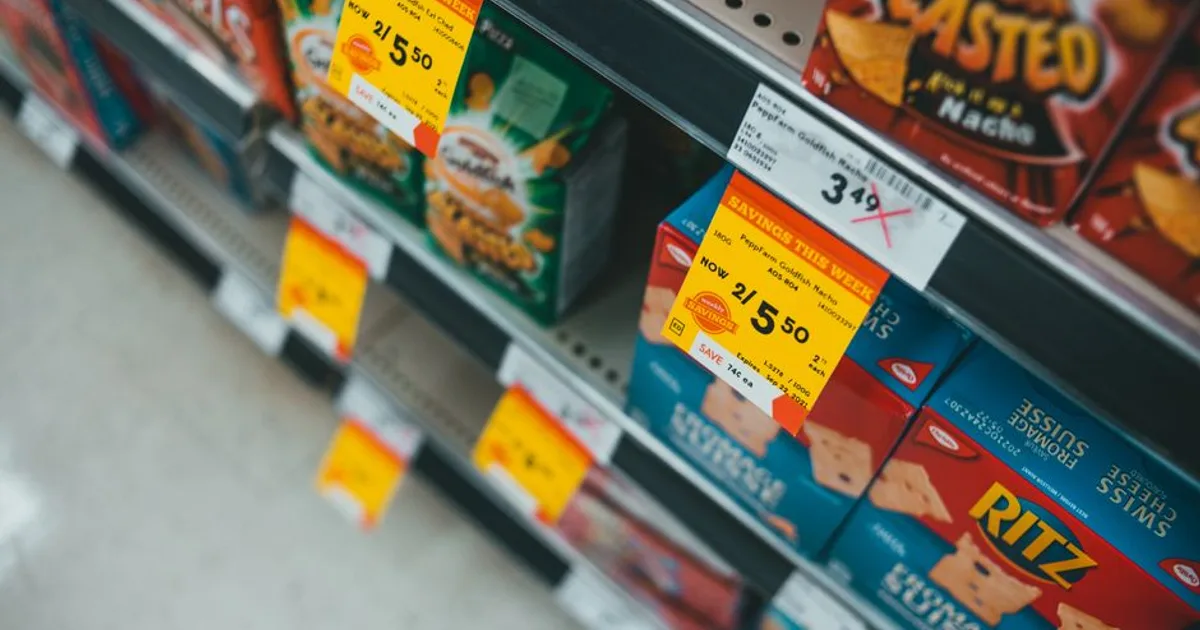
Premium products are placed at eye level. Budget ranges are on the bottom shelves. End-of-aisle displays are not special offers — they're premium placement paid for by manufacturers to shift specific products at full margin. The "special offer" sticker is sometimes a genuine discount and sometimes a price that's been normal for months, displayed in a way that implies urgency.
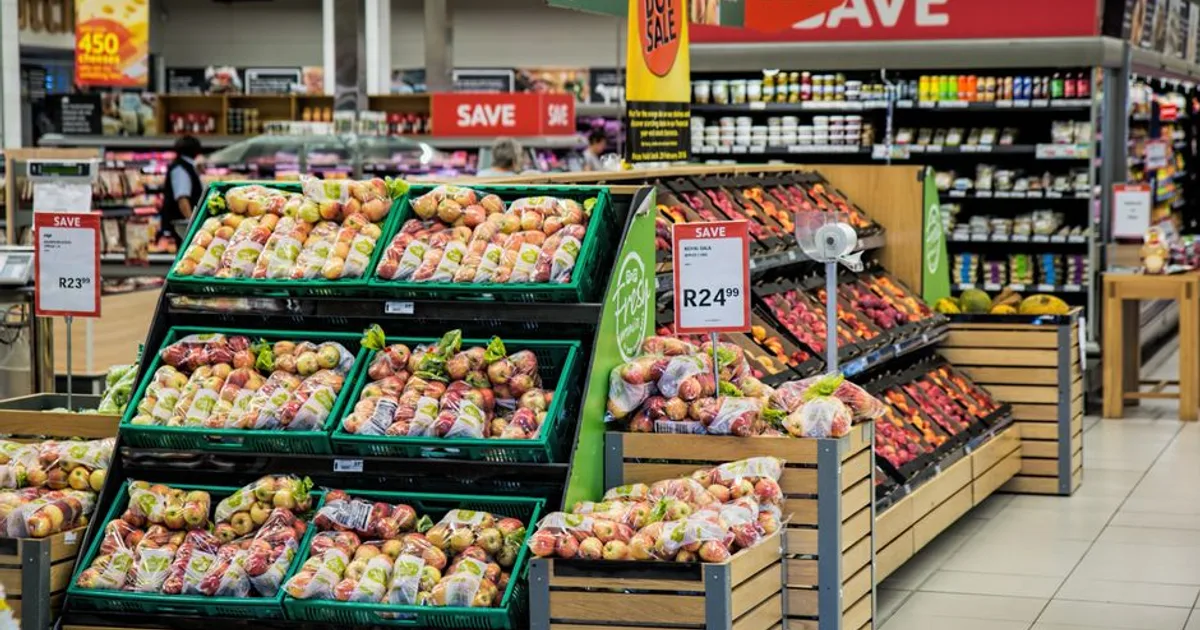
Looking at the lower shelves for own-brand and budget products rather than reaching for what's most visible changes what you buy without changing what you need. The product at eye level is not better than the one on the bottom shelf. It's more expensive because it cost the manufacturer more to put it there.
Buy in bulk for things you definitely use
Bulk buying saves money only on products you genuinely consume at the rate the bulk quantity implies. Buying 5kg of rice when you cook rice twice a week saves money. Buying 5kg of an exotic grain you make once a month probably doesn't — some of it will go stale before it's used.
The categories that almost always repay bulk buying: toilet paper, washing powder, cooking oil, dried pasta, tinned goods, coffee, frozen food, cleaning products. These don't go off, are consumed consistently, and the per-unit cost is reliably lower at larger quantities.
The categories that often don't repay bulk buying: fresh produce (obvious), bread (stales quickly), any product you're buying to try, anything where your consumption is irregular.
Discount retailers — Aldi, Lidl, costco-style warehouse shops — consistently undercut standard supermarket prices on the categories above. A separate monthly or fortnightly shop at a discount retailer for non-perishable bulk items, combined with a regular shop for fresh food, produces consistent savings without coupon clipping or price-matching effort.
Reduce meat and fish consumption strategically
Meat and fish are the most expensive items in most grocery shops. A household that eats meat every day spends significantly more than one that eats it three or four times a week — not because of any ideological position but because cheaper protein sources (eggs, lentils, beans, tinned fish, tofu) cost a fraction of fresh meat.
One or two meat-free days a week is not a significant lifestyle change for most households and reduces the grocery bill more than almost any other single habit. Batch-cook those meals — a lentil soup or bean pasta — using the same make-do approach as our soup without a recipe framework.
Within meat consumption: cheaper cuts cooked slowly (shoulder, shin, thigh) cost less per kilogram than premium cuts and produce better flavour in slow-cooked dishes. A chicken thigh costs a third of a chicken breast and is more flavourful when roasted or braised. Mince is cheaper than steak and works in more weeknight dishes.
The freezer is not a storage problem — it's a savings tool
The freezer prevents waste and enables buying in bulk without the problem of fresh food going off. Bread approaching its best-before date can be frozen and toasted directly from frozen. Meat approaching its use-by date can be frozen the day before to extend it by months. Bananas going brown are better for baking after freezing. Cooked meals batch-cooked in larger quantities freeze well and become cheap, fast weeknight dinners — the same batch-cooking logic behind easy chicken dinners for busy weeknights.
A household that uses its freezer actively — buying offers on meat and freezing, batch cooking, freezing bread and surplus — spends meaningfully less than one that treats it as overflow storage for things forgotten until they're freezer-burned.
Choose the shop based on what you're buying
Most people have a default supermarket and buy everything there. The price difference between supermarkets for identical products is significant — a basket of the same branded items can vary by 20-30% between a premium supermarket and a discount one.
For fresh produce, a local market or greengrocer is often cheaper than any supermarket, with better quality. For branded packaged goods, a discount retailer consistently undercuts standard supermarkets. For fresh meat and fish bought in quantity, a butcher or fishmonger often beats supermarket prices on comparable quality.
Buying everything at one premium supermarket for convenience is a legitimate choice. It has a cost. Knowing what that cost is makes it a conscious decision rather than an accidental one.
The total effect of these habits — using what you have, buying own-brand, understanding supermarket pricing, reducing meat slightly, using the freezer — is not 5% savings. For most households starting without any of these in place, it's closer to 20-30% of the monthly grocery bill — enough to accelerate monthly savings without changing what you actually eat.