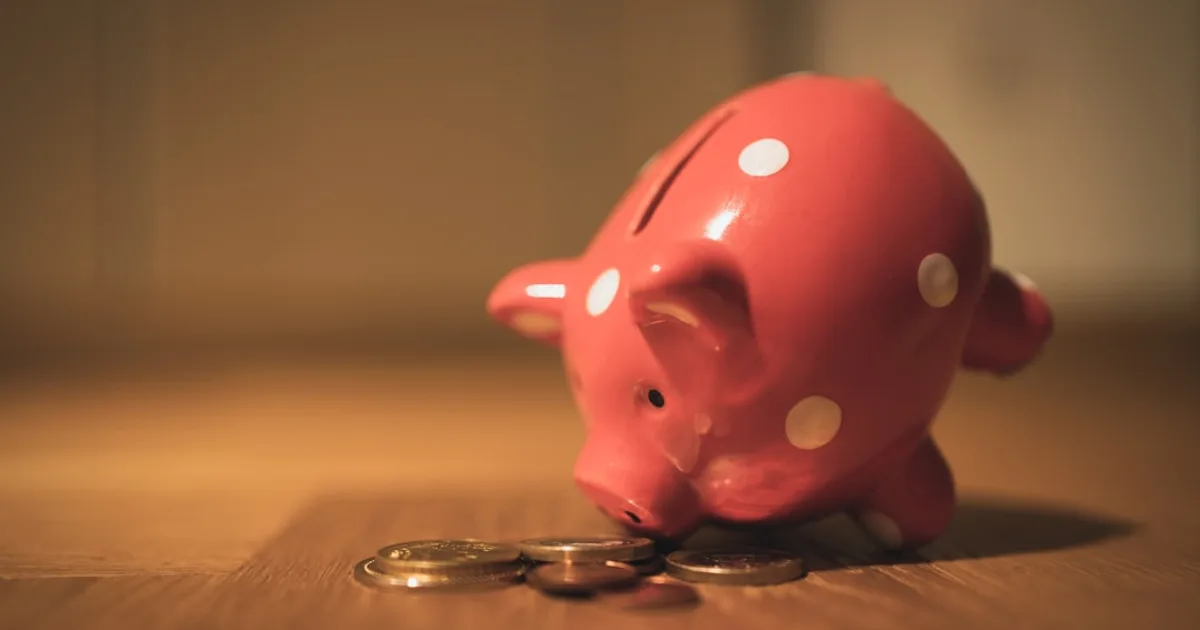
The emergency fund is the most unsexy concept in personal finance and the most important one. Not investments, not side hustles, not optimising your pension — the single biggest improvement most people can make to their financial stability is having three months of essential expenses sitting in a separate account that they don't touch.
The reason it matters is simple: without a buffer, every financial shock goes on credit. The car that breaks down, the boiler that fails, the month of reduced income, the dental work that couldn't wait — each of these, without savings, becomes debt at 20–30% interest. With savings, each of them becomes an inconvenience. The difference between financial stress and financial stability is often not income. It's the presence or absence of this buffer.
How much you actually need
The standard advice is three to six months of expenses. This is the right target but a poor starting point, because three months of expenses for most people is a large number that feels impossible to reach, which means people don't start.
The functional target for someone starting from zero is £1,000. This is not the final goal. It's the first goal, and it's small enough to reach within a few months on most incomes with modest adjustments. A £1,000 buffer handles the majority of single unexpected expenses — a car repair, a broken appliance, a gap in income — without requiring credit.
Once you have £1,000, the target becomes one month of essential expenses (rent or mortgage, food, utilities, minimum debt payments, transport). Once you have that, the target becomes three months.
The progression — £1,000, then one month, then three months — makes a large goal achievable by breaking it into stages where each stage provides real protection.
The calculation: what three months of expenses actually looks like
Before saving anything, know what you're saving toward. Calculate your essential monthly expenses:
- Rent or mortgage payment
- Council tax or property tax
- Utilities (electricity, gas, water) — see our guide to lowering your electricity bill in winter for the biggest lever on this line
- Food (groceries only, not eating out)
- Transport (car payment or public transport, not taxis or Ubers)
- Minimum payments on any debts
- Phone
- Any other non-negotiable outgoings
Add these up. This is your essential monthly number. Three times this number is your three-month emergency fund target. Most people, doing this calculation for the first time, find the number more manageable than they expected — because the essential expenses list, stripped of lifestyle spending, is smaller than total monthly spending.
Where to keep it
An emergency fund has two requirements: it needs to be accessible when you need it, and it needs to be separated enough from your current account that you don't spend it by accident.
The right account type is a high-interest easy-access savings account — not a fixed-term account (you may need the money on short notice), not an ISA that might limit withdrawals, not an investment account where value can fall. An easy-access savings account at a separate bank from your current account provides both requirements: you can access the money within a day or two if needed, but it's not available for impulse spending.

Keeping the emergency fund at a different bank from your current account adds a small friction — you need to log in to a separate account to access it. This friction is protective. The money is available in a genuine emergency and slightly inconvenient for casual access — which also helps if you're working on stopping impulse buying.
The interest rate matters less than most people think. An emergency fund earning 1.5% is better than one earning 4.5% in a product with withdrawal restrictions. Access is the primary criterion.
Building it when money feels tight
The most common objection to building an emergency fund is that there's nothing left at the end of the month. This is often genuinely true. It's also often true that there are small consistent amounts that can be redirected without significant pain, and that the perception of tightness is partly a result of spending patterns rather than actual income insufficiency.
The starting point is automatic: set up a standing order for a fixed amount on the day your salary arrives, going to the separate savings account. The amount can be small — £25, £50 — without affecting the fundamentals of the approach. The automation matters more than the amount because it converts saving from a monthly decision to a monthly default — the same pay-yourself-first habit that makes consistent saving possible.
Where to find the money:
- Subscription audit: most households have £30–80 in subscriptions they barely use. Cancel them, redirect the amount — the same list exercise used when cutting monthly expenses.
- Reduced eating out: one fewer restaurant meal or takeaway per month is typically £30–60 that can go to savings — or switch to cheaper grocery cooking and redirect the difference.
- Windfall allocation: tax rebates, birthday money, annual bonuses — a percentage of any unexpected income going directly to the emergency fund accelerates the timeline significantly.
- Selling unused items: a weekend of sorting through what you own and selling on eBay, Facebook Marketplace, or Vinted typically generates £100–300 for most households.
None of these require dramatic lifestyle changes. Combined, they typically produce £100–200 a month that wasn't being saved previously.
The psychological component
An emergency fund does something beyond the practical. Knowing that a financial shock won't require going into debt changes how you relate to your finances day-to-day. The low-level anxiety of one large unexpected expense away from a credit card crisis — which many people carry without fully articulating it — significantly reduces with even a partial buffer.
This is not a soft benefit. Financial stress affects decision-making, sleep quality, relationship dynamics, and work performance in ways that are well-documented. Reducing it has downstream effects that aren't fully captured in the savings balance.
The first £1,000 produces a disproportionate psychological effect relative to subsequent amounts. Getting there quickly — even if it means being more aggressive about saving for three months than feels comfortable long-term — is worth prioritising.
What it's not for
An emergency fund is for genuine emergencies: unexpected income loss, urgent unplanned repairs, unavoidable medical expenses, genuine crises. It is not for:
- Planned expenses that just weren't saved for in advance (holidays, Christmas, car service)
- Things you want to buy but can't currently afford
- Investment opportunities
Using it for anything other than genuine emergencies requires rebuilding it, which undermines the protection it provides. Planned large expenses should have their own separate savings pot — a holiday fund, a car maintenance fund — that's distinct from the emergency buffer.
Once the emergency fund is fully funded, the monthly contribution that was building it gets redirected — to debt payoff, to investments, to medium-term savings goals. It becomes the foundation from which other financial goals are built rather than an ongoing commitment.
The order of operations in personal finance — emergency fund first, then debt payoff, then investment — exists because without the emergency fund, everything else is built on a foundation that collapses the first time something goes wrong. Build the foundation first.