Plants don't negotiate with your holiday schedule. A week in the sun is exactly long enough for an unwatered pot to go from healthy to dead, particularly in summer when temperatures are high and soil dries fast. The solution isn't to stop going on holiday — it's to set things up properly before you leave, whether you're packing for a short trip or booking the trip yourself.
How long you're away determines which approach makes sense. A long weekend and a week are very different problems. Two weeks in August is different again.
Before anything else: group and assess
The day before you leave, go through every plant and be honest about which ones actually need attention. A large established garden plant in the ground will survive a week without watering in most climates — the soil holds more moisture than you think. Containers are the real concern, particularly small ones that dry out within a day or two in warm weather — including balcony planters and patio pots that make an apartment feel like home.
Group containers together in the shadiest spot available. Shade reduces evaporation significantly and plants grouped closely together create a slightly more humid microclimate that slows moisture loss. This alone can extend how long they'll manage without intervention by a day or two — which might be the difference between fine and dead for a short trip.
Move houseplants away from south-facing windows and direct sun. A normally sun-loving plant can tolerate a week in lower light without real damage. It can't tolerate a week of baking in a sunny window without water.
Short trips: 3–5 days
For a long weekend or a few days, the simplest methods are often enough.
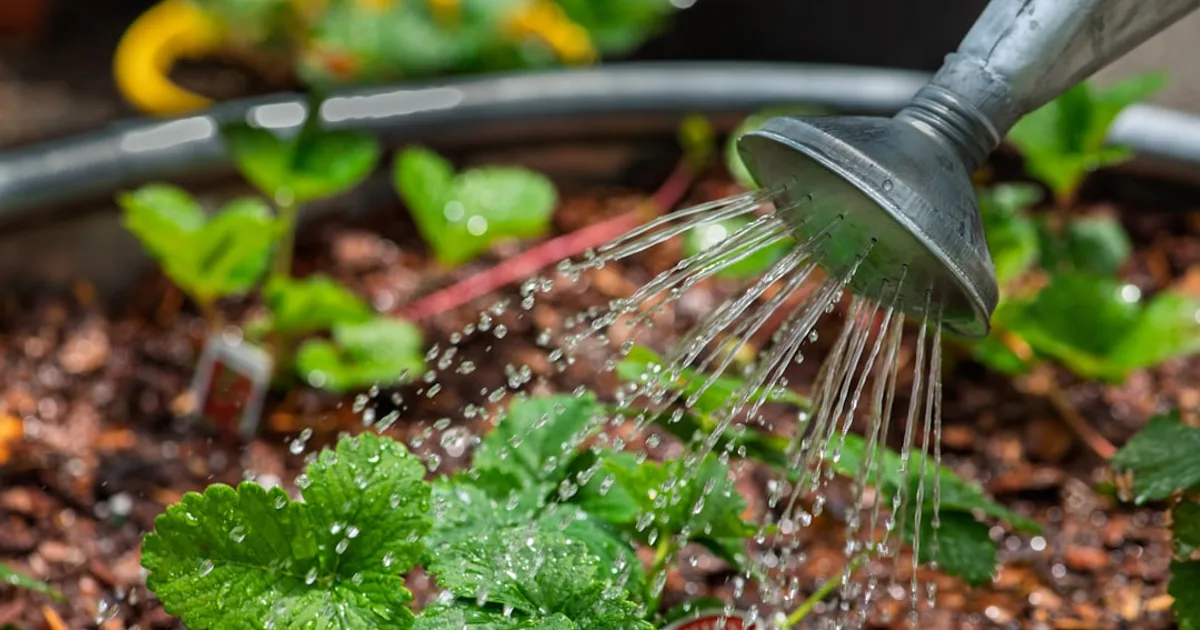
Water thoroughly before you leave. Not a quick watering — a proper deep soak that reaches the bottom of the pot. Let it drain, then water again. This saturates the soil completely and gives you an extra day or two compared to a surface watering.
The plastic bag method works well for houseplants. After watering, place the pot inside a clear plastic bag and loosely seal it. The plant transpires, moisture condenses on the bag's interior, and drips back down into the soil — creating a closed loop that keeps humidity high and reduces water loss. Leave it somewhere bright but out of direct sun. Plants can stay in bags for up to a week without problems. Longer than that and you risk fungal issues from the consistently high humidity.
Grouping in a tray of water works for the very short term — one or two days. Standing pots in a tray of water allows them to absorb moisture from below through the drainage holes. Don't use this for more than a day or two, and don't use it for plants that are sensitive to overwatering (succulents, cacti, lavender) — they'll develop root rot.
One week: DIY solutions
A week requires something more reliable than preparation alone.
Bottle drippers are the simplest DIY solution that actually works. Take a clean plastic bottle, fill it with water, and invert it directly into the soil. As the soil dries out and pulls away from the bottle neck, air enters and water trickles out — a slow-release system that can keep a medium pot going for five to seven days depending on bottle size and soil type. You can buy terracotta spikes designed for this purpose, which work on the same principle and are reusable. Or poke a small hole in the bottle cap — the hole size determines the flow rate.
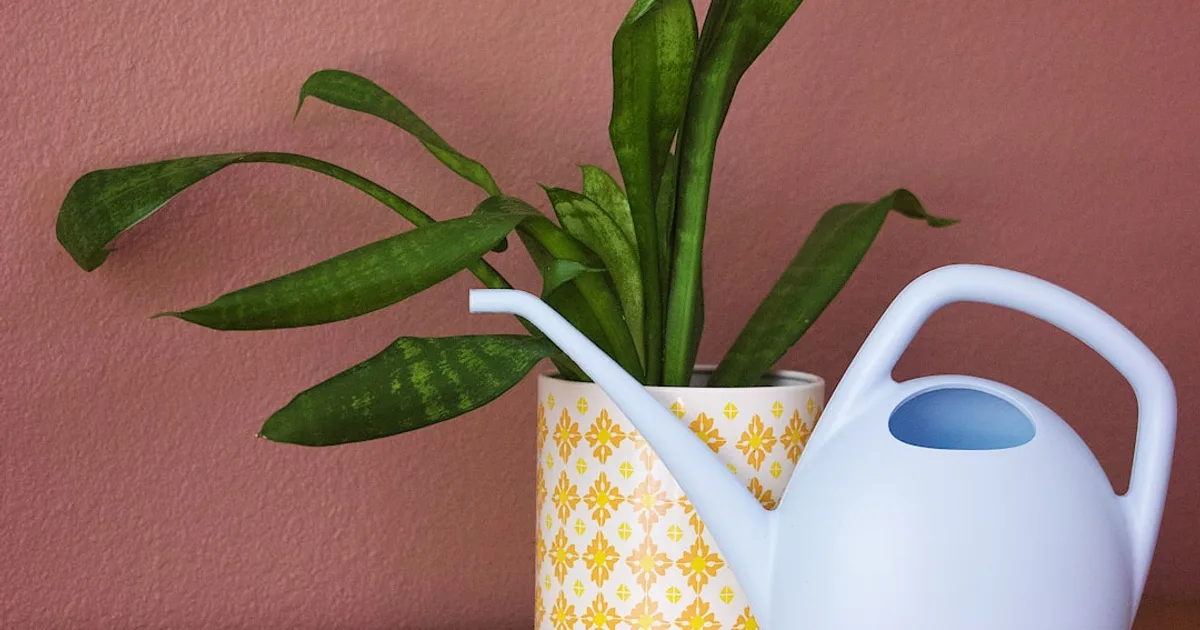
The string or cotton wick method is more old-fashioned but reliable for houseplants grouped near a water source. Place a container of water above or beside the plants. Run a piece of cotton rope or thick cotton string from the water container into the soil of each pot. Capillary action draws water along the string and into the soil as it dries. Works best with a thick, absorbent wick and moist soil to begin with — starting with dry soil means the capillary action doesn't get established. You can water several plants from one large container this way.
Sealing pots in plastic (the bag method from above) remains workable for a week for most houseplants that aren't prone to fungal issues. Cacti and succulents don't need it — they'll be fine for a week with just a good watering beforehand.
Two weeks or more: invest in a proper system
For anything over a week, particularly in summer, DIY methods become unreliable. The investment in a proper automated solution makes sense.
Drip irrigation kits with a timer are the most reliable option for a balcony or patio with multiple containers. A basic kit — a timer that fits on the tap, a distribution hose, and adjustable drippers for each pot — costs £30–60 and can be set up in an afternoon. Set the timer for early morning watering, adjust the drip rate for each pot, and the system runs without any input. This is genuinely the only solution that handles a two-week trip in August reliably.
For larger gardens with borders, soaker hose systems connected to a timer do the same job less precisely but with less complexity — the hose weeps water along its length, slowly soaking the beds it runs through.
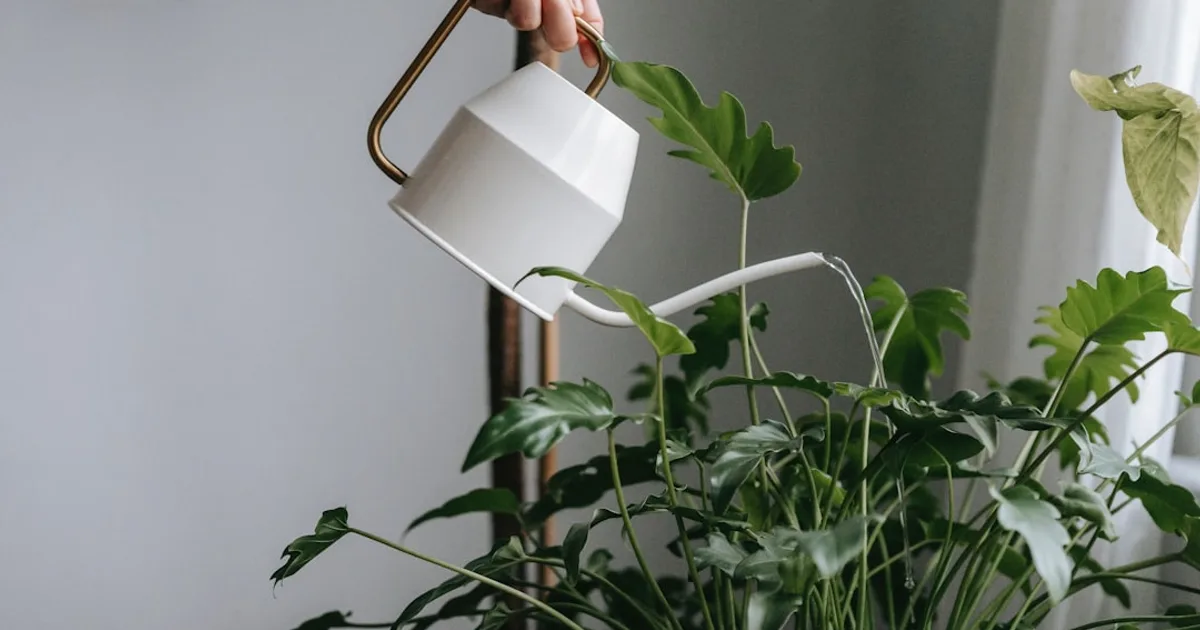
Self-watering pots with large reservoirs are worth considering if you regularly go on holiday or just don't want to water frequently — especially for strawberries and other container fruit that need consistent moisture. They have a water reservoir in the base that the plant draws from through capillary action. A large reservoir can last two to three weeks in mild conditions. They're not cheap, but for regularly used container planting they pay for themselves in convenience and reduced plant losses.
Ask someone. This sounds too simple but it's often the best answer for longer trips. A neighbour with a key, a friend who checks in twice during a fortnight, someone who actually sees the plants and can respond to conditions — a human is more reliable than any automated system because they can notice if something is wrong. Offer to return the favour.
Outdoor garden beds
Established plants in the ground — shrubs, perennials, most vegetables once they're past the seedling stage — can usually manage a week without supplemental watering except in very hot, dry conditions. The key preparation is mulching.
A 5–7cm layer of mulch (bark chips, wood chip, finished compost, straw) applied to bed surfaces before you leave dramatically slows moisture evaporation from the soil. Mulched soil stays moist for days longer than bare soil in the same conditions. If you were going to mulch this summer anyway, do it before you go on holiday.
Newly planted things — anything in its first season — are more vulnerable and may need irrigation even in a normal summer. If you've planted anything recently, it's worth setting up a drip system or asking someone to water it rather than relying on rainfall.
Vegetables vary significantly. Courgettes and cucumbers are thirsty and will suffer in a week of summer heat without water. Tomatoes will survive but may drop flowers or develop blossom end rot if they go through a significant dry spell. Root vegetables, legumes, and brassicas are more forgiving once established.
Coming back
The first thing to do when you return is water everything thoroughly, even if the soil looks okay on the surface. Check under the soil surface — it can look damp on top while being bone dry an inch down. A good deep watering on return, followed by normal maintenance, and most plants will recover from a period of slight stress quickly.
The plants that didn't make it — and there may be one or two — tell you something useful about which containers need more reliable watering solutions or more drought-tolerant plants going forward. Every holiday is an opportunity to find the weak points in your setup.