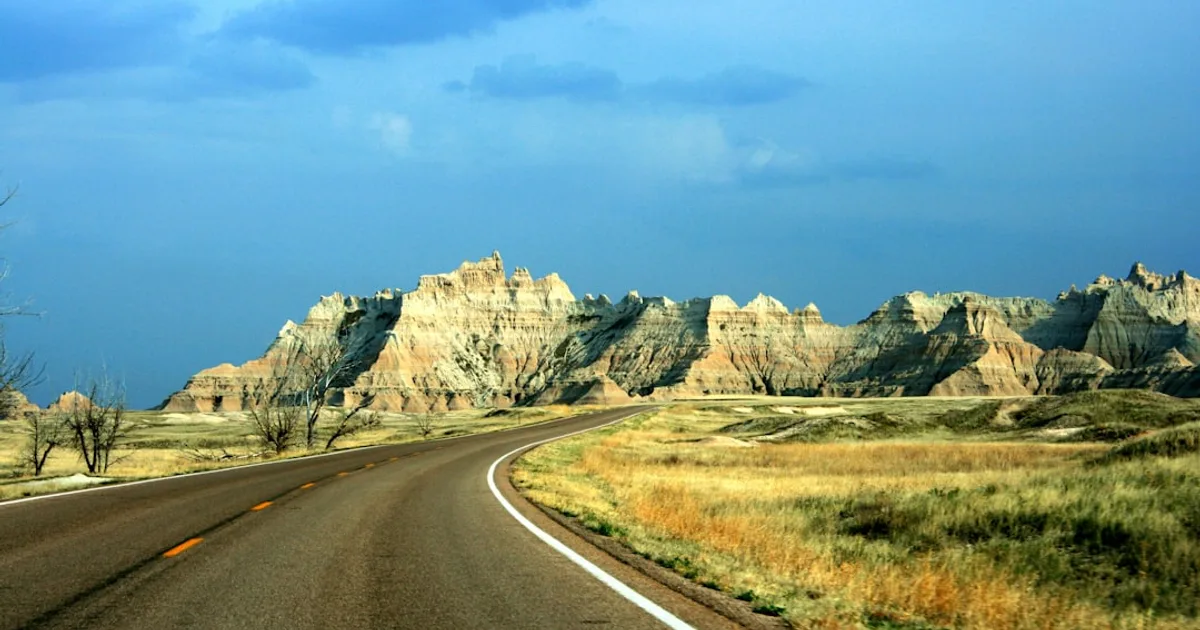
A good weekend trip has a specific set of constraints: you need to get there and back without the travel eating the whole trip, there should be enough to do for two days without padding, and it should feel meaningfully different from wherever you started. Three to four hours by car or a short flight found with flexible date search is the sweet spot. Beyond that you're spending more time in transit than destination.
What follows is organised by region rather than ranked nationally — because the best weekend trip from Atlanta looks nothing like the best one from Seattle, and lists that ignore geography are mostly useless.
Northeast
The Berkshires, Massachusetts — Two to three hours from New York City or Boston, the Berkshires deliver a particular combination that's hard to find closer to either city: genuinely good food, cultural density (MASS MoCA, Tanglewood, the Clark Art Institute), and landscape that earns the drive. Fall is the obvious peak season but summer and winter have their own logic. Lenox and Stockbridge are the anchor towns; the surrounding hills and small roads are the actual point.
Hudson, New York — Two hours from Manhattan, Hudson has undergone a well-documented transformation from post-industrial town to destination for people fleeing New York without fully committing to leaving. Warren Street has a concentration of antique shops, restaurants, and design stores that punches above its size. The surrounding Columbia County is good cycling and hiking territory. Catskill is thirty minutes further and less crowded.
Portland, Maine — Three and a half hours from Boston, further from New York but worth the drive for serious food people. Portland has a restaurant scene that consistently outperforms cities twenty times its size. The Old Port neighborhood, the waterfront, lobster rolls eaten without ceremony at a dock — this is the trip for people who organise travel around eating well, including the eat where locals eat habit that saves money and improves meals.
Southeast
Asheville, North Carolina — Accessible from Charlotte (two hours), Atlanta (four hours), or Knoxville (two hours). Asheville sits in the Blue Ridge Mountains and offers a combination of outdoor access — hiking in the Great Smoky Mountains is within an hour — and a downtown with genuine character. The River Arts District, the Biltmore Estate for those inclined toward Gilded Age excess, and a craft brewery scene that has been significant for longer than most places. One of the more reliably satisfying weekend destinations in the South.
Savannah, Georgia — Four hours from Atlanta, closer from coastal South Carolina or Florida's northern counties. Savannah rewards slow walking. The historic district with its sequence of oak-shaded squares is genuinely beautiful and not in the manufactured way of many American tourist destinations. The food leans Southern and serious. Tybee Island is twenty minutes away for anyone who needs to add beach to the itinerary.
Charleston, South Carolina — Similar driving distance from Atlanta, closer from Charlotte or Raleigh. The combination of architectural preservation, food culture, and coastal access makes Charleston one of the most consistent weekend trip answers in the Southeast. It's expensive and gets crowded in spring and fall. Shoulder season in winter or early summer is when the value-to-experience ratio improves.
Midwest
Door County, Wisconsin — The peninsula that juts into Lake Michigan north of Green Bay is effectively Wisconsin's answer to Cape Cod — summer crowds, cherries, fish boils, and lake light. Three hours from Chicago or Milwaukee. The towns are small and the pace is slow in a way that's either exactly what you want or slightly frustrating, depending on your weekend trip expectations.
Galena, Illinois — Three hours from Chicago, Galena sits in a corner of Illinois that looks nothing like the rest of the state — rolling hills, brick storefronts, nineteenth-century architecture preserved because the town was bypassed by the railroads that transformed everywhere else. Good for a specific kind of weekend: antique shopping, slow walks, older inns, and not very much happening. That's the point.

Minneapolis to the Boundary Waters — If you're already in Minneapolis, the Boundary Waters Canoe Area Wilderness in northern Minnesota is four hours north and one of the genuinely extraordinary outdoor destinations in North America. You need to plan and permit in advance, but a two-night canoe camping trip here is the kind of experience that ends up being a reference point for years.
Southwest
Sedona, Arizona — Two hours from Phoenix, Sedona is one of the most visually dramatic landscapes accessible by car in the continental US. The red rock formations are genuinely astonishing, the hiking ranges from easy to serious, and the town itself — crowded, somewhat commercial, unmistakably beautiful — can be managed by choosing accommodation slightly outside the main strip and booking your own stay rather than defaulting to the obvious central hotels. Being in the canyons before 8am when the tour groups arrive helps too.
Santa Fe, New Mexico — An hour from Albuquerque airport, further if you're driving from Denver or Phoenix, but consistently one of the most culturally rich small cities in the country. The concentration of art galleries, the Pueblo-Spanish architecture, the food (green chile season in September is a specific and worthy pilgrimage), and the altitude — 7,000 feet, which matters if you're not acclimated — make Santa Fe a weekend destination with real depth. You can return several times without repeating yourself.
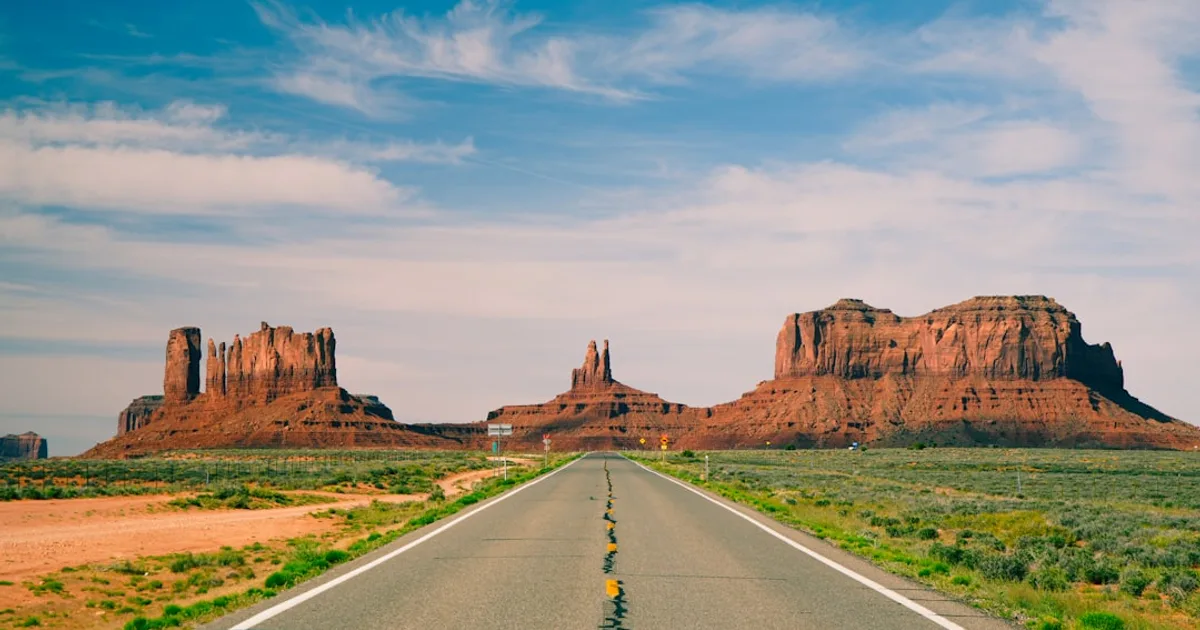
Marfa, Texas — Six hours from Austin, which sounds like too far for a weekend but isn't if you drive Thursday night. Marfa is a genuine desert town with a Minimalist art legacy that transformed it into something unexpected — the Chinati Foundation, Prada Marfa, and a small-town atmosphere that exists in tension with its cultural reputation. It rewards people who approach it on its own terms rather than expecting comfort or convenience.
West Coast
Big Sur, California — A drive, not a destination exactly — three to four hours south of San Francisco on Highway 1, and the highway is most of the point. Camp at Pfeiffer Big Sur State Park, eat at Nepenthe for the view, walk the coastal trails at dawn before the weekend crowds establish themselves. Pack light if you're flying into SFO and renting a car — a carry-on is enough for two nights.
Olympic Peninsula, Washington — Two to three hours from Seattle including the ferry crossing to the Kitsap Peninsula. The Olympic Peninsula contains multiple distinct ecosystems — temperate rainforest, alpine meadows, and coastal wilderness — within a single national park. Hoh Rain Forest and the Quinault Loop are accessible without technical preparation. The outer coast around Rialto Beach is remote and extraordinary. This is the Pacific Northwest trip for people who've done the obvious Seattle day trips and want something with more scale.
Bend, Oregon — Three hours from Portland, Bend is the outdoor recreation hub of the central Oregon Cascades. Hiking, mountain biking, skiing at Mount Bachelor, kayaking the Deschutes River — it's organised around activity in a way that suits a specific type of weekend traveller well. The town itself has good food and a brewery culture that has been built over decades rather than created recently for tourism purposes.
The question that matters before any of these
A weekend trip succeeds based on matching the destination to what you actually want from two days away, not based on choosing the most impressive-sounding option.
Asheville and Sedona are both excellent weekend destinations. They offer completely different things. A solo traveller choosing between them should weigh safety, walkability, and how comfortable they'll feel exploring alone as much as scenery. The best weekend trip is the one that was right for this particular weekend, not the one that photographs best.