There's a version of this article that lists six sauces, gives you the ingredients, and calls it done — the same category of weeknight chicken dinners that assume you have twenty minutes, not two hours. This isn't that. Because the difference between a pasta sauce that tastes like something and one that tastes like nothing usually comes down to two or three specific things — and if nobody tells you what they are, you can follow the recipe exactly and still end up disappointed.
So alongside each sauce: what actually makes it work, and what the common mistakes look like.
Aglio e olio — garlic and oil
The most deceptively simple pasta dish in existence. Four ingredients: pasta, garlic, olive oil, chilli flakes. No sauce in the conventional sense — just emulsified, flavoured oil clinging to the pasta. When it's done right it's extraordinary. When it's done wrong it's greasy noodles with burnt garlic.
The technique is everything. Slice garlic thin — not minced, not crushed, thin slices. Heat a generous amount of good olive oil (more than feels reasonable, about 60–80ml for two portions) in a wide pan over medium-low heat. Add the garlic and a pinch of chilli flakes. The garlic should sizzle gently and turn pale golden over 4–5 minutes. The moment it starts to brown, it's about to burn — pull the pan off the heat immediately.
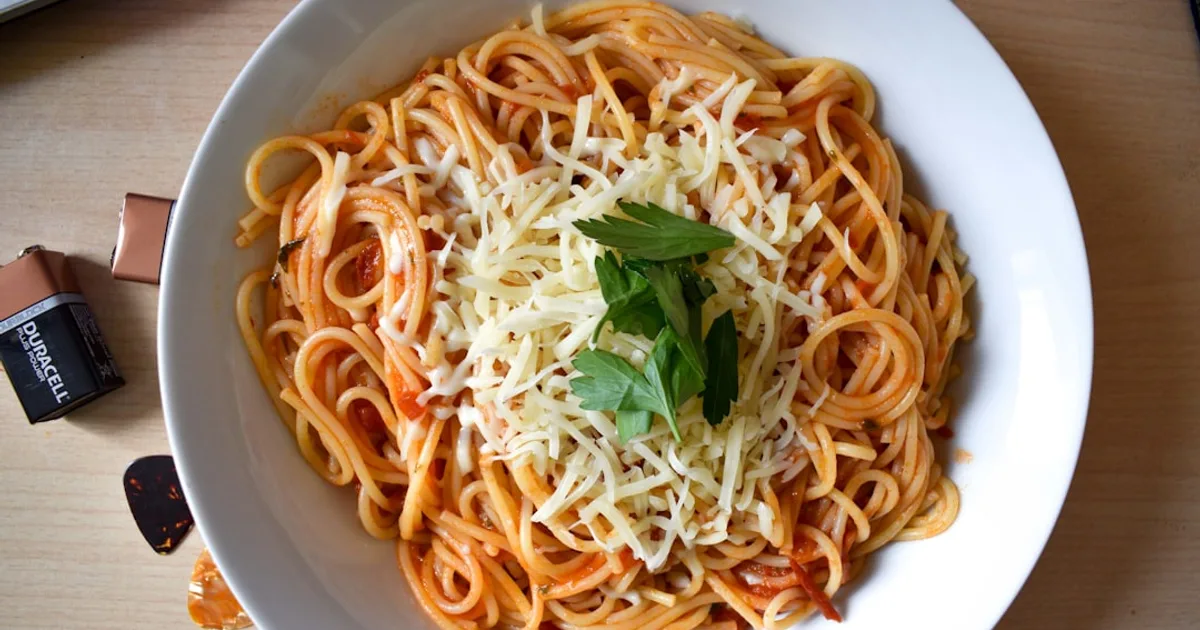
Cook your spaghetti until just al dente. Before draining, reserve a large mug of pasta water. Drain, add to the pan with the garlic oil, splash in pasta water, and toss aggressively over medium heat until the water emulsifies with the oil into something glossy and cohesive rather than oily and separate. Finish with fresh parsley and good parmesan.
The pasta water is not optional. It's what transforms this from oily pasta to an actual sauce.
Cacio e pepe
Two ingredients beyond pasta: pecorino romano and black pepper. The technique is harder than aglio e olio and rewards attention.
Toast a generous amount of coarsely ground black pepper in a dry pan for 60 seconds until fragrant. Add a ladle of pasta cooking water and let it reduce slightly. Add al dente pasta directly to the pan. Off the heat, add finely grated pecorino in batches, tossing constantly and adding pasta water as needed to create a creamy sauce that coats every strand.
The failure mode is clumping — the cheese seizes into lumps rather than melting smoothly. This happens when the pan is too hot. Take it off the heat before adding cheese. Add the cheese gradually. Keep tossing. The starch in the pasta water is what makes it work.
Use pecorino romano, not parmesan. The flavour is sharper and saltier and it's what the dish is supposed to taste like.
Burst cherry tomato sauce
This is summer in a pan. Cherry tomatoes, garlic, olive oil, basil. Twenty minutes from start to finish and the result is something that tastes like the best tomatoes you've ever had.
Heat olive oil in a wide pan over medium-high. Add whole cherry tomatoes — don't cut them. They'll start to blister and pop after 3–4 minutes, releasing their juice into the oil. Add sliced garlic, a pinch of chilli if you want it, salt. Press the tomatoes gently with a spoon to encourage them to burst. The sauce thickens and concentrates as the liquid reduces over about 8 minutes.
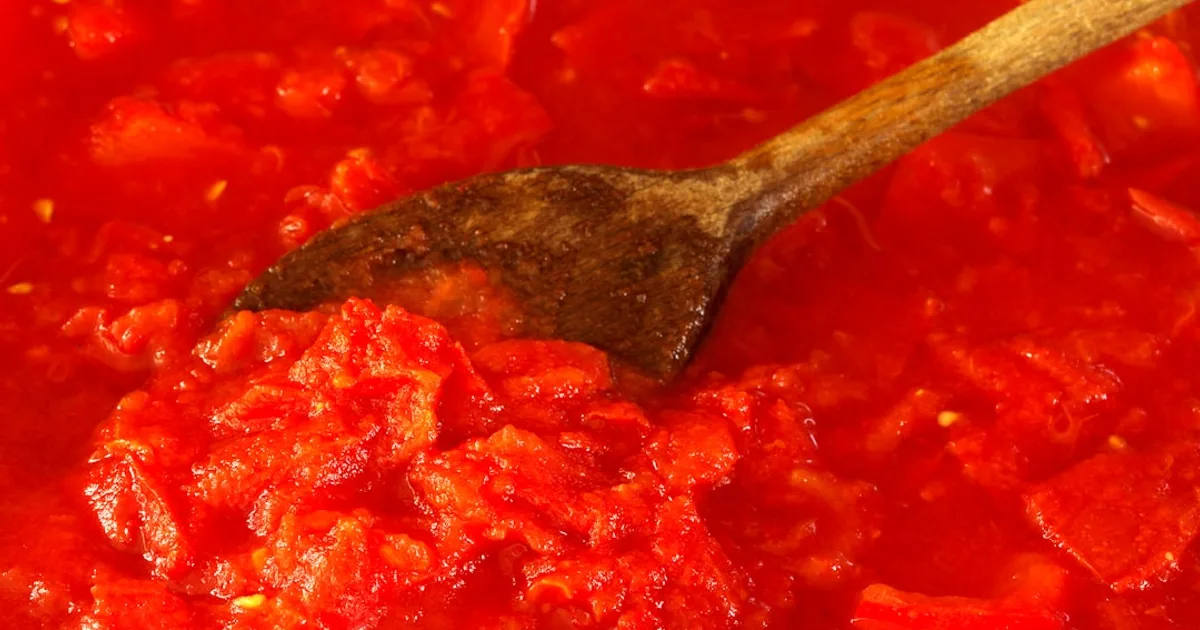
Toss with pasta and pasta water. Finish with torn basil — add it off the heat so it stays fragrant rather than cooking to nothing.
The key is high enough heat that the tomatoes blister rather than just stew. Blistering adds a slight smokiness and concentrates the sweetness. Stewing produces a thinner, less interesting result.
Lemon and ricotta
This is the sauce for when you want something that feels light and summery but is still filling enough to be dinner. It comes together while the pasta cooks.
In a bowl, combine ricotta (about 100g per portion), the zest of a lemon, a tablespoon of good olive oil, salt, black pepper, and a handful of finely grated parmesan. Mix until smooth.
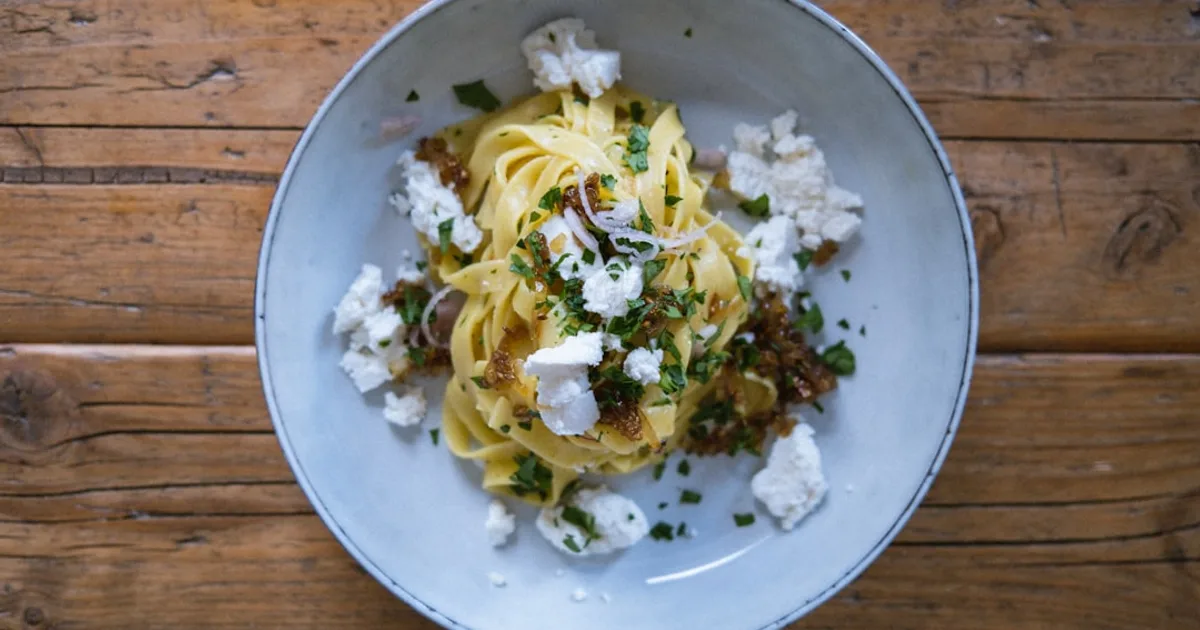
When the pasta is cooked, reserve pasta water, drain, and add directly to the bowl with the ricotta. Toss, adding pasta water a splash at a time until the sauce loosens to a creamy consistency that coats the pasta without being thick and claggy. Finish with more lemon zest and fresh herbs — chives or basil work well.
No heat required beyond the pasta itself. The warm pasta warms the ricotta enough to make it saucy. This takes literally as long as it takes to boil pasta.
Brown butter and sage
This one sounds fancy and takes about six minutes. Brown butter has a nutty, almost toffee-like depth that makes pasta taste significantly more complex than the number of ingredients involved.
Melt butter — more than you'd normally use, about 60g for two portions — in a light-coloured pan over medium heat so you can see the colour change. It will foam, then subside, then begin to turn golden and smell nutty. This happens quickly after the foaming subsides — watch it. Add fresh sage leaves and they'll crisp immediately. Remove from heat.
Toss with cooked pasta and pasta water, add parmesan, season well. The sauce is the brown butter. That's all.
This works particularly well with gnocchi, stuffed pasta like tortellini, or wide flat pasta like pappardelle. The rich butter sauce needs something substantial to cling to.
Pantry tuna and tomato
The pasta you make when the fridge is empty and you haven't been to the supermarket — the same pantry-first approach as turning leftover rice into a proper meal. Two tins and a handful of pantry staples that produce something genuinely worth eating.
Soften a finely diced onion and two crushed garlic cloves in olive oil over medium heat, 6–7 minutes — the same aromatic foundation you'd use when improvising soup from whatever's in the fridge. Add a tin of chopped tomatoes and a pinch of chilli flakes. Simmer for 8 minutes until slightly reduced. Add a drained tin of tuna in olive oil — not brine, the flavour difference is significant — and break it up gently into the sauce. A handful of capers if you have them. Season well.
Toss with pasta, finish with fresh parsley and a squeeze of lemon.
The mistake people make with this sauce is using tuna in brine and not seasoning aggressively enough. Tinned tuna is mild — the sauce needs acidity (lemon), salt, and heat (chilli) to taste like something.
The things that apply to all of them
Salt the pasta water properly. It should taste like mild seawater. Under-salted pasta water means under-seasoned pasta regardless of what the sauce does. This is probably the single most impactful habit change in pasta cooking.
Save the pasta water. Every sauce here benefits from it. The starch is what creates emulsification and makes sauce cling rather than pool at the bottom of the bowl.
Cook pasta al dente and finish it in the sauce. Drain it a minute before it's fully done and finish it in the pan with the sauce and pasta water. The pasta absorbs the sauce rather than sitting in it, and the whole thing tastes more cohesive.
Use the right pasta shape. Smooth, thin sauces like aglio e olio and cacio e pepe want long strands — spaghetti, linguine. Chunkier, heartier sauces want shapes that catch and hold — rigatoni, penne, fusilli. It's not an arbitrary rule. It genuinely affects how the dish eats.
None of these sauces require a trip to a specialist shop or ingredients you don't already have. Pair them with homemade bread for mopping up every last bit of sauce. They require attention and the willingness to get the technique right. That's a better trade than a more complicated recipe with a longer ingredient list and the same amount of effort.