Rice has a reputation for being difficult that it doesn't entirely deserve. The people who consistently produce bad rice — mushy, sticky, undercooked, or burnt on the bottom — are almost always making the same small number of mistakes. Fix those mistakes and rice becomes one of the most reliable things you cook.
The mistakes: too much water, lifting the lid, and not resting it after cooking. That's most of it.
The ratio problem
Rice packages almost universally suggest too much water. The standard 1:2 ratio — one cup of rice to two cups of water — produces soft, slightly sticky rice that clumps together. This is fine for some dishes and wrong for others.
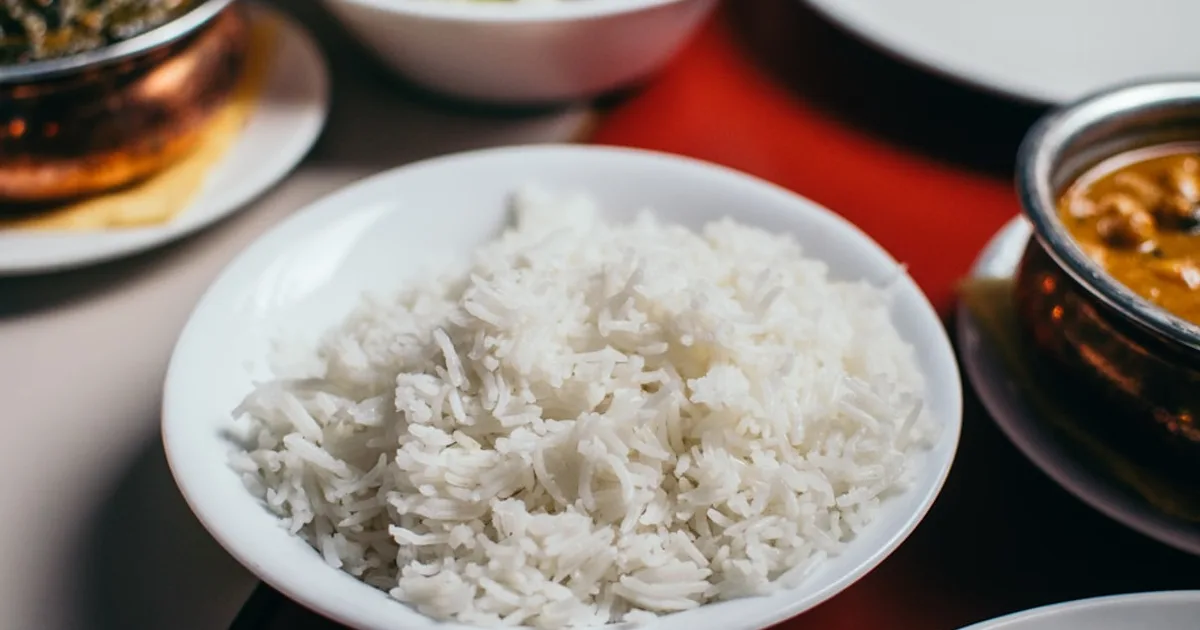
The ratio that works for most long-grain white rice cooked on the stovetop is 1:1.5 — one cup of rice to one and a half cups of water. This produces separate, fluffy grains that hold their shape. If you've been using two cups of water and wondering why your rice is soft and sticky, this is why.
Different rice types need different ratios:
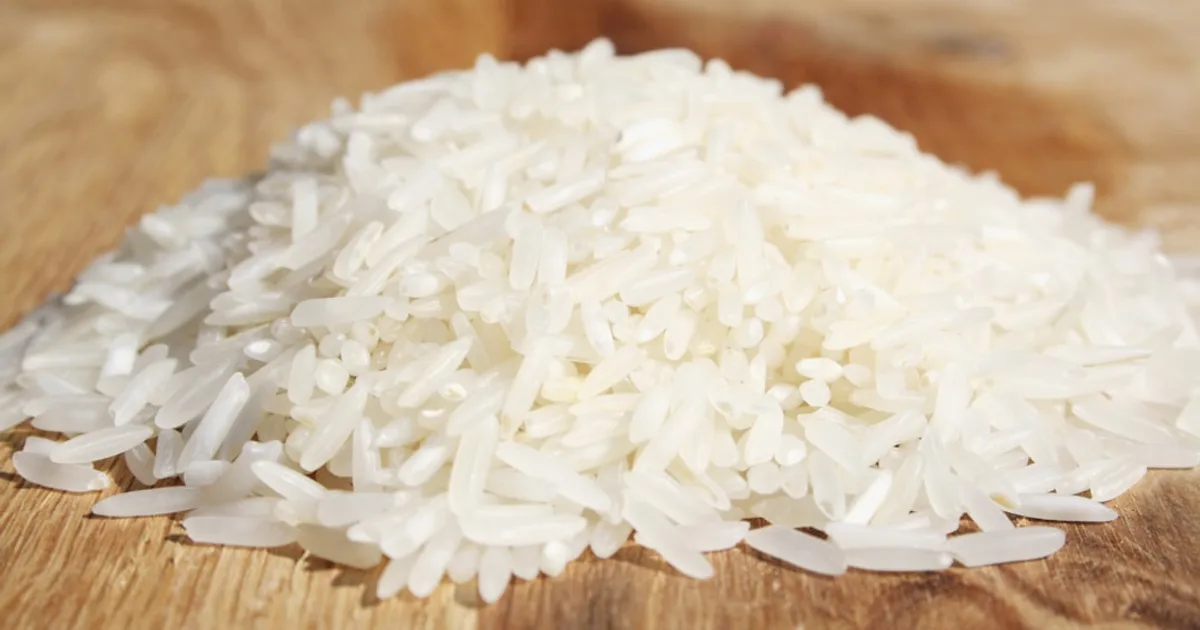
Long-grain white rice (basmati, jasmine): 1:1.5. This is the ratio for separate, fluffy grains.
Short-grain white rice (sushi rice, arborio): 1:1.25 for sushi rice cooked plain. Short-grain rice is starchier and needs less water to achieve its characteristic stickiness.
Brown rice: 1:2 to 1:2.25. The bran layer takes longer to absorb water and needs more of it. Brown rice also takes 40–45 minutes rather than 15–18.
Basmati specifically: Rinse it, soak it for 20–30 minutes before cooking, then use a 1:1.5 ratio. The soaking step makes a meaningful difference to the texture — the grains elongate and separate better.
The method
Step one: rinse. Put the rice in the pot, cover with cold water, swirl, drain. Repeat two or three times until the water runs mostly clear. This removes excess surface starch that causes clumping and stickiness. Whether to rinse is debated — some dishes benefit from the extra starch — but for fluffy separate grains, rinsing is the right call.
Step two: add the correct amount of water and bring to a boil. Add a pinch of salt. The salt is not optional — unsalted rice tastes flat regardless of what you serve it with.
Step three: reduce to the lowest simmer, cover, and don't touch it. This is the step most people get wrong in two ways. First, they keep the heat too high after covering — the rice should be on the lowest heat your stove can manage, a bare simmer, not boiling. Second, they lift the lid. Every time you lift the lid, steam escapes, the temperature drops, and the cooking time and water absorption are disrupted. Put the lid on and leave it — the same hands-off patience that makes a sheet-pan chicken dinner work while you handle everything else.
Cooking time for white rice: 15 minutes on the lowest heat after reducing. Brown rice: 40–45 minutes. Set a timer and don't open the lid.
Step four: rest off the heat. When the timer goes off, turn off the heat and leave the pot covered for 10 minutes. This is the step most recipes omit and it makes a significant difference. The rice continues cooking in residual steam, the bottom layer dries out slightly rather than sitting in moisture, and the grains firm up. Rice that's served immediately from the heat is softer and wetter than rice that's rested.
After resting, fluff with a fork — not a spoon, which compresses the grains — using gentle lifting motions rather than stirring.
When it goes wrong
Mushy rice: Too much water, heat too high, or lid lifted during cooking. Start over with less water and lower heat.
Undercooked, still crunchy: Not enough water or not enough time. Add a splash of water, replace the lid, and cook for another 5 minutes on low. Or just rest it longer — sometimes underdone rice fixes itself in the resting phase.
Burnt bottom: Heat too high. The bottom layer of rice scorches when the heat is too high and there's not enough water to keep the temperature down. A heavy-bottomed pan distributes heat more evenly and reduces this.
Clumping: Too much surface starch (didn't rinse), too much water, or stirring during cooking. Rice should not be stirred once the lid goes on — stirring releases starch and makes it sticky.
Rice sticking to the pot: Normal to a degree. A thin layer of rice at the bottom of the pot is expected. If it's a thick layer that's difficult to clean, there was too little water or the heat was too high. A small amount of oil or butter added to the water before cooking reduces sticking.
The rice cooker question
A rice cooker produces consistently good rice with no attention required — add rice and water in the right ratio, press the button, walk away. It's harder to burn, harder to undercook, and the keep-warm function holds rice at the right temperature for an hour or two without it drying out.
If you eat rice several times a week, a rice cooker is worth owning. A basic model costs £20–30 and lasts for years. The argument against is counter space — it's a single-purpose appliance in a kitchen that may not have room for it — though a batch of hummus and rice together makes a complete meal with almost no cooking.
The stovetop method produces equally good rice when done correctly. The rice cooker is more forgiving of inattention, which is its actual advantage.
A note on different varieties
Jasmine rice has a floral aroma that's part of the point — cook it plain without too many additions to let it come through. It's slightly stickier than basmati by nature.
Basmati is the rice for dishes where separate, long grains matter — biryanis, pilafs, anything where the rice is a feature rather than a base. The soaking step is worth doing.
For dishes that need sticky rice — sushi, rice balls, some Korean and Japanese dishes — short-grain rice and a ratio closer to 1:1.25 gives you the texture you need. Don't rinse short-grain rice for these applications — the surface starch is what creates the stickiness. Pair plain fluffy rice with a quick pasta sauce on nights when you want starch without starting from scratch.
Getting rice right is a small thing that improves a large number of meals — and cooking a little extra on purpose gives you the cold, dry grains that make leftover rice one of the most useful things in the fridge. Once the ratio and the method are consistent, it stops being something you think about.