Cookies are the right place to start baking. Unlike bread, there's no yeast to manage and no gluten development to worry about. Unlike cakes, there's no risk of a collapsed centre or an uneven rise ruining the whole thing. A cookie that's slightly wrong is usually still a perfectly good cookie. This forgiveness is exactly what makes them the best entry point into baking — and one of the small wins that add up when you save money every month by baking at home.
These three recipes cover the fundamentals — a classic chocolate chip, a simple shortbread, and an oat cookie that's nearly impossible to get wrong. Master the techniques in these and most other cookie recipes become straightforward.
Classic chocolate chip cookies
This is the recipe to learn first because the techniques transfer to almost every other drop cookie.
Ingredients:
- 115g butter, softened (not melted)
- 100g granulated sugar
- 100g brown sugar
- 1 large egg
- 1 tsp vanilla extract
- 190g plain flour
- 1/2 tsp baking soda
- 1/2 tsp salt
- 200g chocolate chips
Method:
Cream the softened butter with both sugars until pale and fluffy — about 2–3 minutes with an electric mixer, longer by hand. This step matters more than people realise: properly creamed butter and sugar incorporates air that contributes to the cookie's texture. Under-creamed butter produces denser, flatter cookies.
Beat in the egg and vanilla until combined.
In a separate bowl, whisk together the flour, baking soda, and salt. Add to the wet mixture and combine just until no dry flour remains — overmixing at this stage develops gluten and produces tougher cookies. Stir in the chocolate chips.
Chill the dough for at least 30 minutes, ideally a few hours or overnight. This is the step beginners skip and the one that makes the biggest difference. Chilled dough spreads less in the oven, producing a thicker cookie with a better texture — chewy in the centre, slightly crisp at the edges, rather than thin and uniformly crisp throughout.
Scoop into balls (about 2 tablespoons each), space well apart on a lined baking tray, and bake at 190°C (375°F) for 10–12 minutes. Pull them out when the edges are golden but the centre still looks slightly underdone — they continue cooking on the tray after you remove them from the oven. This is the single most important timing rule in cookie baking: underbake slightly, because residual heat finishes the job.
Cool on the tray for 5 minutes before transferring to a wire rack.
Simple shortbread
Three ingredients, no eggs, no leavening agent. This is the cookie that teaches you about ratios and what butter quality actually contributes to a bake.
Ingredients:
- 225g butter, softened
- 100g caster sugar
- 300g plain flour
- Pinch of salt
Method:
Cream the butter and sugar until smooth — you're not trying to incorporate as much air as with chocolate chip cookies, just combine them evenly. Add the flour and salt, and mix until it comes together as a dough. It will look crumbly at first; keep working it gently until it holds together. Don't overwork it — shortbread should remain tender, and excessive handling develops toughness.
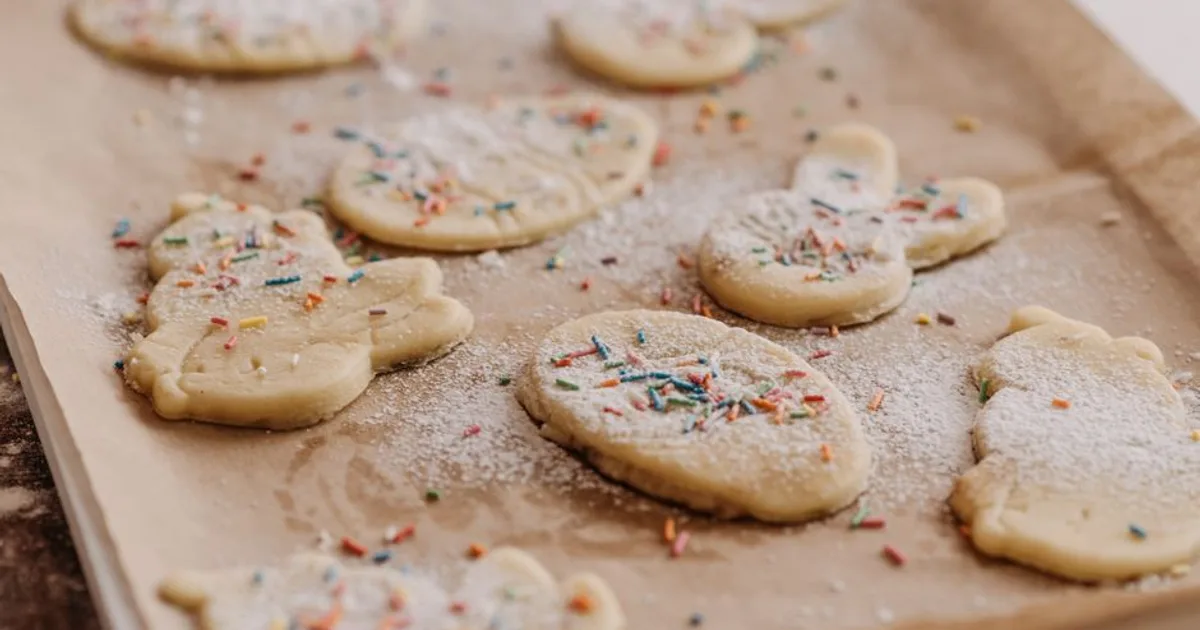
Roll out to about 1cm thickness on a lightly floured surface, cut into shapes (traditional fingers, rounds, whatever you have cutters for), and place on a lined tray. Prick each one a few times with a fork — this is traditional and also functional, allowing steam to escape evenly.
Bake at 160°C (325°F) for 18–22 minutes until pale gold — shortbread should not brown significantly; it's meant to stay pale with a delicate, sandy texture. Cool completely on the tray before moving, as shortbread is fragile while warm.
This recipe teaches the importance of butter quality more than any other — with only three ingredients, there's nowhere for a mediocre butter to hide. Use a good quality butter if you can — one of the pantry staples worth prioritising when you buy groceries cheaper without sacrificing results.
No-fail oat cookies
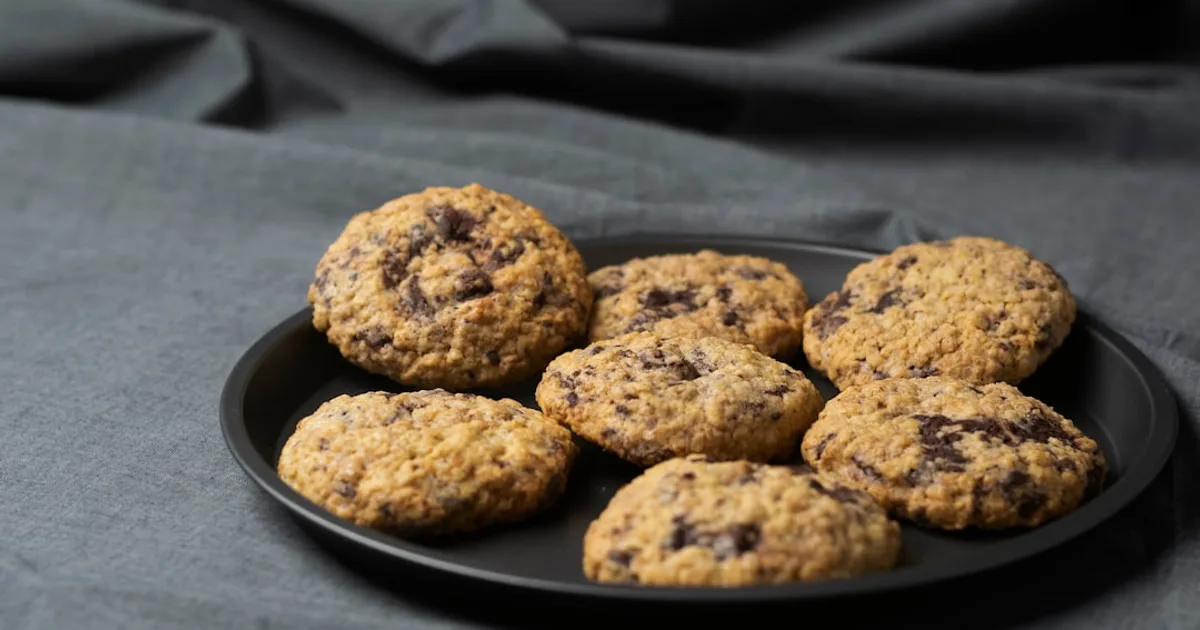
This is the recipe for anyone nervous about baking for the first time. The oats provide structure that makes the cookie resilient to small errors in technique.
Ingredients:
- 115g butter, melted
- 100g brown sugar
- 50g granulated sugar
- 1 egg
- 1 tsp vanilla extract
- 150g plain flour
- 1/2 tsp baking soda
- 1/2 tsp cinnamon
- Pinch of salt
- 200g rolled oats
- 100g raisins or chocolate chips (optional)
Method:
Because the butter is melted rather than creamed, this recipe skips the technique that trips up beginners most often. Whisk the melted butter with both sugars until combined. Whisk in the egg and vanilla.
Combine the flour, baking soda, cinnamon, and salt separately, then add to the wet mixture along with the oats and any mix-ins. Stir until just combined.
No chilling required for this one — the oats provide enough structure that the dough holds its shape without resting. Scoop onto a lined tray, flatten slightly with the back of a spoon, and bake at 175°C (350°F) for 11–13 minutes until golden at the edges.
These are close to impossible to ruin. Slightly overbaked, they're crunchy rather than chewy — still good. Slightly underbaked, they firm up as they cool. The margin for error is wider than almost any other cookie.
The mistakes that ruin most beginner attempts
Butter temperature. Recipes that call for softened butter mean genuinely soft — pressable with a finger, not hard, not melted into a puddle. Butter that's too cold won't cream properly. Butter that's too warm or melted (when the recipe doesn't call for it) produces flat, greasy cookies. Take butter out of the fridge 30–60 minutes before baking, not five minutes before.
Measuring flour by volume incorrectly. Scooping a measuring cup directly into a flour bag compacts the flour and you end up with more than the recipe intends — leading to dry, tough cookies. Spoon flour into the measuring cup and level it off, or better, use a kitchen scale — the same precision that makes rice turn out fluffy rather than mushy. Weight measurements are more reliable than volume for baking.
Overcrowding the tray. Cookies spread during baking. A tray with cookies placed too close together produces cookies that merge into each other. Leave at least 5cm between scoops.
Opening the oven door repeatedly. Every time you open the oven, heat escapes and the baking time extends unpredictably. Trust the timer, check through the oven window if you have one, and only open the door near the end.
Overbaking. This is the single most common cookie mistake. Cookies continue cooking on the hot tray for several minutes after coming out of the oven. If you wait until they look fully done in the oven, they'll be overdone by the time they've cooled. Pull them slightly before they look finished.
Building from here
Once these three recipes are comfortable, most other cookie recipes are variations on the same techniques — creaming method versus melted butter method, the role of chilling, the importance of slight underbaking. A peanut butter cookie, a snickerdoodle, a double chocolate cookie — they all use the same fundamental skills with different flavours layered on top.
The chilling step and the slight underbaking are the two pieces of knowledge that transfer to almost everything — including the patience that also makes perfect scrambled eggs worth the extra minutes on a slow morning. Once those are habits rather than things you have to remember, cookie baking becomes genuinely easy.