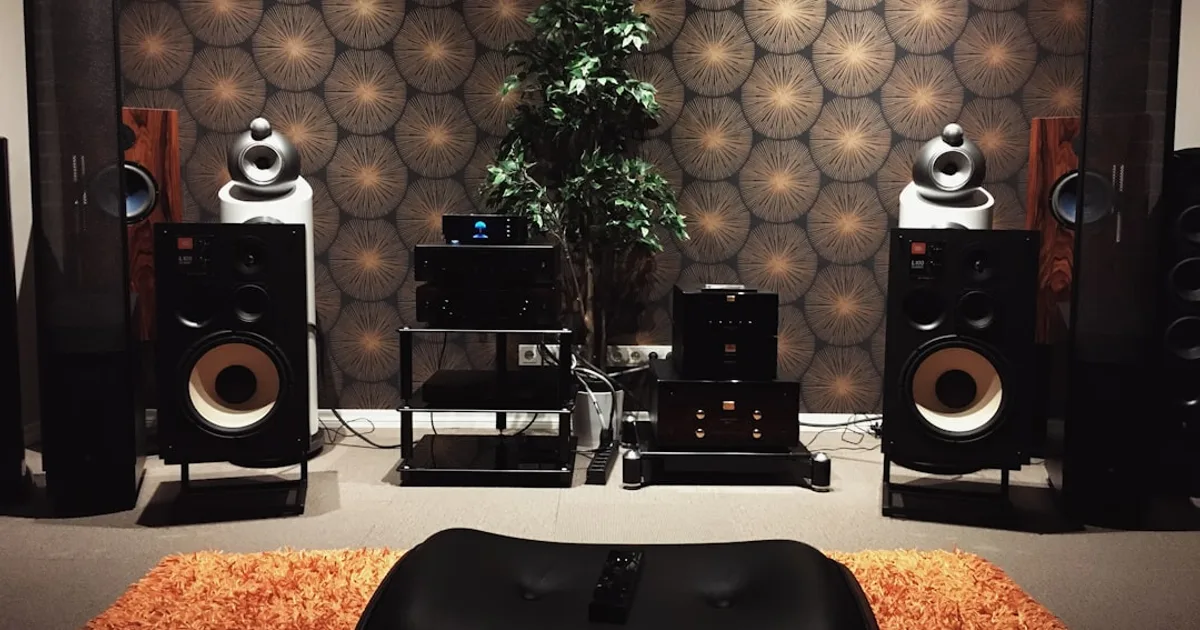
There's a distinction worth making before spending anything on soundproofing: the difference between blocking sound and absorbing it. Most cheap soundproofing products sold online — foam panels, acoustic tiles, the egg carton aesthetic — absorb sound within the room, reducing echo and reverb. They do almost nothing to stop sound from travelling between rooms or from outside. If your problem is noise coming through the walls from a neighbour or the street, foam panels won't fix it.
Understanding which problem you actually have determines what's worth spending money on.
The two problems and which is solvable cheaply
Sound transmission is noise travelling from one space to another — through walls, floors, ceilings, doors, and windows. Properly blocking this requires mass and decoupling: heavy materials that don't vibrate, and construction techniques that separate surfaces so vibration can't travel through them. This is expensive when done properly. Cheap interventions help at the margins.
Sound absorption is controlling how sound behaves within a room — reducing echo, flutter, and reverberation so the room sounds better and noise from within it is less harsh. This is what acoustic foam panels actually do, and it's achievable cheaply.
Most people have a transmission problem and buy absorption solutions. Know which you're dealing with.
The gaps first — always
Before buying anything, address the gaps. Sound travels through air, and anywhere air can travel, sound travels efficiently. A solid wall with a gap at the bottom of the door is a nearly open acoustic path — the same reason window draught-proofing matters for both heat loss and street noise.
Door gaps are the most significant. A standard interior door with a 1cm gap at the bottom is acoustically similar to a hole several centimetres wide. A door sweep — a strip that seals the bottom of the door — costs £10–20 and makes an immediately noticeable difference. Draught excluder tape around the door frame seals the sides and top. Combined, these two measures cost under £30 and address the primary transmission path in most rooms.
If the door itself is hollow-core — which most interior doors are — it transmits sound easily regardless of how well you seal the gaps. A solid-core door replacement is expensive but produces a dramatic improvement. A cheaper interim measure is a heavy curtain hung over the door, which adds mass and reduces transmission.
Window gaps matter similarly. Acoustic window inserts — a secondary glazing panel that fits inside the existing window frame — reduce transmission significantly and cost £150–400 depending on size. Secondary glazing is the most cost-effective window intervention available short of full double or triple glazing replacement — and the DIY version we cover in our guide to insulating windows for winter tackles the same gaps from the thermal side.
For a quick improvement without installation: heavy blackout curtains hung as close to the glass as possible, extending to the floor and walls on either side rather than just covering the window opening. The additional mass and the air gap between curtain and glass reduce transmission meaningfully. Not as effective as secondary glazing but a fraction of the cost.
Walls: what actually helps
Adding mass to walls reduces transmission. The cheap version of this is bookshelves filled with books against a shared wall — books are dense, irregular, and absorb some sound energy. A floor-to-ceiling bookshelf full of books on a party wall is not a joke solution; it makes a measurable difference.
Acoustic mass-loaded vinyl (MLV) is a heavy, flexible material that can be applied to walls, floors, and ceilings to add mass. It's more effective than foam panels for transmission and costs £20–40 per square metre. Applied to a shared wall and covered with plasterboard or fabric, it's one of the cheaper structural interventions available.
Decoupling — separating the wall surface from the structure so vibration can't transfer — is the other key principle. This is harder to achieve cheaply without construction work. Resilient channel mounting or a room-within-a-room approach are the proper solutions but involve significant work and cost.
Floors and ceilings
Impact noise — footsteps above, objects dropped — travels differently from airborne sound and is harder to address from below. The effective solution is at the source: carpet and underlay above, not treatment below. A thick rug with a dense underlay on your floor reduces impact noise transmitted downward to neighbours.
For airborne sound through floors and ceilings, the same mass principle applies. A thick rug absorbs some sound within the room and adds mass to the floor. Acoustic underlay beneath flooring, if you're relaying it anyway, is worth specifying.
Within the room: what foam panels actually do
If the problem is echo and reverb within a home studio, podcast room, or home office — sound bouncing around the room creating a harsh, live sound — acoustic foam panels are the right solution.
Sound absorbing materials work by converting sound energy to heat through friction as sound waves pass through the material. Soft, porous materials — foam, fabric, carpet, heavy curtains, upholstered furniture, bookshelves — all absorb sound to varying degrees.
The most cost-effective acoustic treatment for a room is also the most obvious: furnishings. A room with a sofa, curtains, a rug, bookshelves, and soft furnishings has dramatically better acoustic properties than the same room bare — the same layered thinking behind choosing wallpaper for a small room, where texture and soft surfaces change how a space feels. If you're trying to reduce echo in a home office, buying acoustic foam panels before adding a rug and curtains is doing it backwards.
Where foam panels do help: treating specific reflection points in a recording or listening space, reducing flutter echo between parallel hard surfaces, and making a specific corner or wall less live. Cover the first reflection points — the spots on the side walls where sound from a speaker or voice first bounces — and you address most of the acoustic problems in a small room without covering every surface.
Cheap acoustic foam panels from Amazon work adequately. Premium brands cost more and perform marginally better. For a home use case, the cheap version is fine.
The realistic budget breakdown
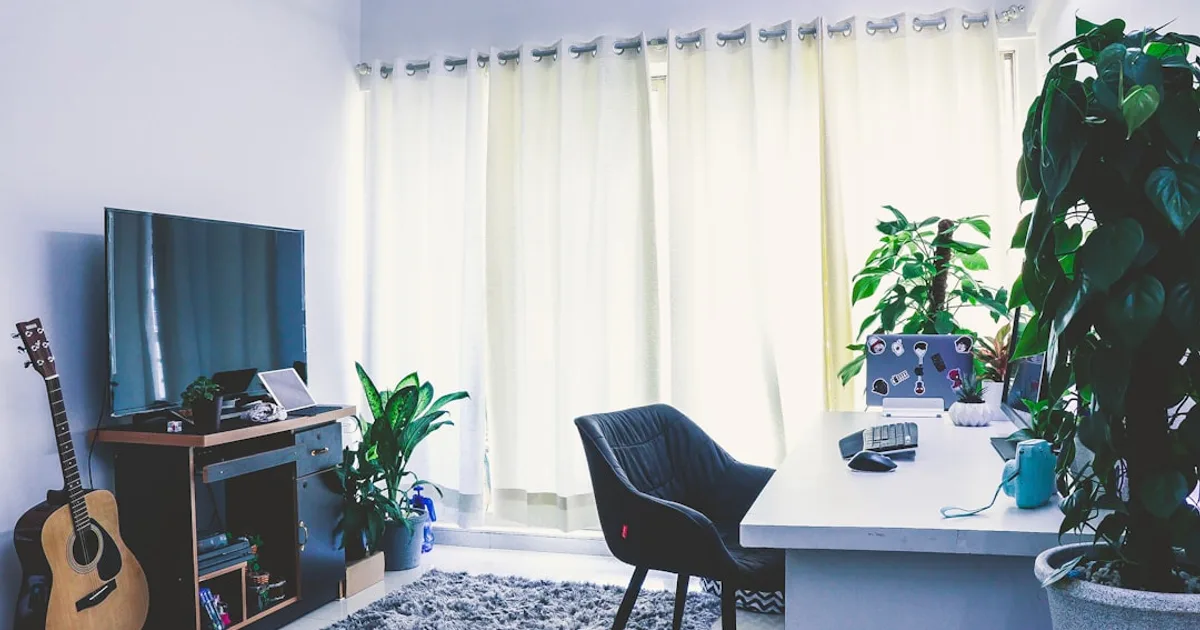
Under £50: Door sweep, draught tape, a thick rug — addresses gaps and adds absorption. Noticeable improvement for noise within the room and some reduction in transmission through the door. If you're also trying to make a balcony cozy on a budget, outdoor rugs and screens can dampen wind noise before it reaches the room inside.
£50–150: Add heavy curtains to windows and a blackout curtain over the door. Covers most cheap interventions available without installation.
£150–400: Acoustic window insert or mass-loaded vinyl on a problem wall. Meaningful transmission reduction for a specific surface.
£400+: Secondary glazing professionally installed, solid-core door replacement, acoustic underlay under new flooring. These produce significant results but are no longer in the cheap category.
The honest expectation for a cheap soundproofing project: you can reduce noise noticeably. You can make a room meaningfully quieter for conversation, work from home, or recording — and for sleep, which is why many people pair these fixes with habits from our guide to falling asleep faster. You cannot achieve professional acoustic isolation without professional construction. The gap between "noticeably better" and "properly soundproofed" is large, and closing it requires significant structural work regardless of budget.
Start with the gaps. They're cheap to address, produce immediate results, and are almost always the biggest single factor in how much noise gets through.