Paint color trends have a short shelf life, which is exactly why most interior design advice about them ages badly. Something labeled "the color of the year" in January looks dated by the time you've actually repainted, lived with it for two years, and started wondering why you did it.
The colors worth talking about in 2025 aren't necessarily the ones getting the most coverage. They're the ones that work across a wide range of living room styles, hold up over time, and don't read as trend-chasing the moment the trend moves on.
What's actually happening with living room color right now
The all-white living room had a long run. It's not dead — white still works — but the sterile, blue-toned white that dominated the 2010s has given way to something warmer and more considered. People want rooms that feel inhabited rather than staged.
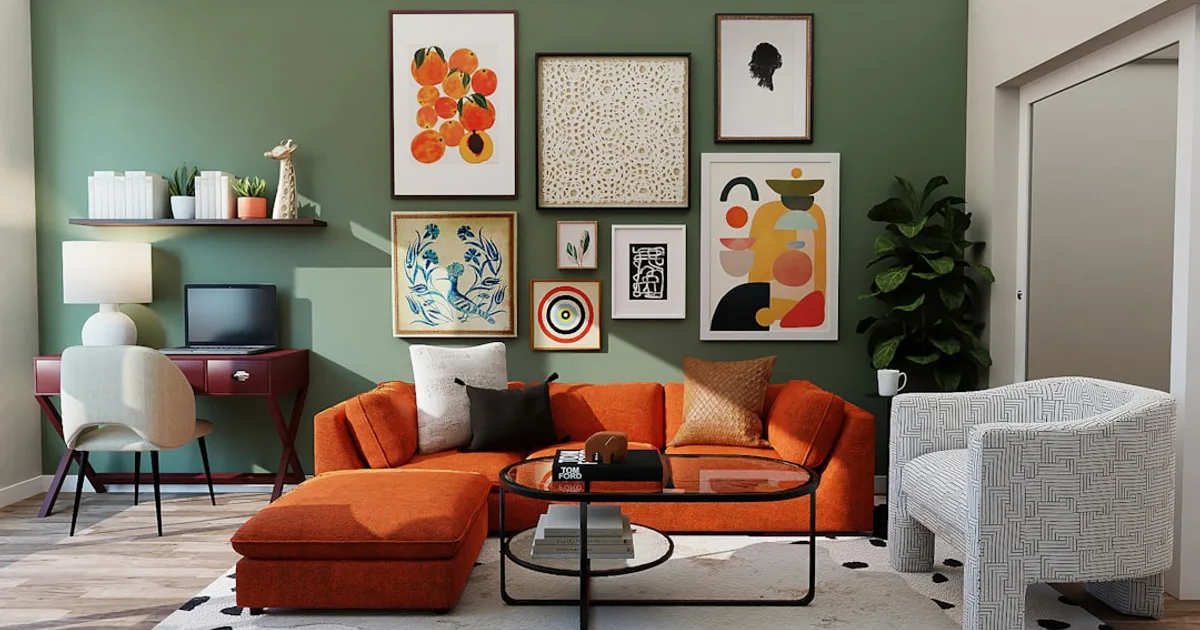
Alongside that, there's been a genuine shift toward color with conviction. Not the tentative greige that was everywhere for years, but actual color — warm greens, deep terracottas, rich ochres, moody blues — used with enough confidence to actually change how a room feels.
The middle ground is getting harder. A room that's "sort of beige but not quite" or "a bit green but you wouldn't really notice" reads as indecision rather than restraint. In 2025, the most successful living rooms are either genuinely neutral or genuinely committed to a color.
Warm whites and off-whites: the ones that actually work
Not all whites are equal and the difference between a good white and a bad one is significant in a living room.
Farrow & Ball Wimborne White and its equivalents from other brands — creamy, slightly warm, with just enough yellow undertone to glow in natural light — is the white that makes rooms look good in photographs and in person. It works with natural wood, linen, leather, and almost any accent color.
Benjamin Moore White Dove sits in similar territory. Soft, warm, versatile. It reads as white without the cold, clinical edge that pure brilliant white creates.
What to avoid: whites with strong blue or grey undertones in rooms that don't get good natural light. They read as cold and slightly depressing, especially in winter. If your living room faces north or gets limited sun, go warmer than you think you need to.
Warm greens: the color that kept its momentum
Sage green had its moment and then everyone expected it to fade. It hasn't, largely because it's genuinely good. Green sits in a comfortable middle ground — it brings nature indoors, works with wood tones and neutrals, and has enough visual interest to lift a room without dominating it.
What's shifted is the specific shade. The pale, almost-grey sage greens are giving way to deeper, more saturated options — olive greens, forest greens used on a single wall or in a darker room, warm bottle greens that feel rich without being heavy.
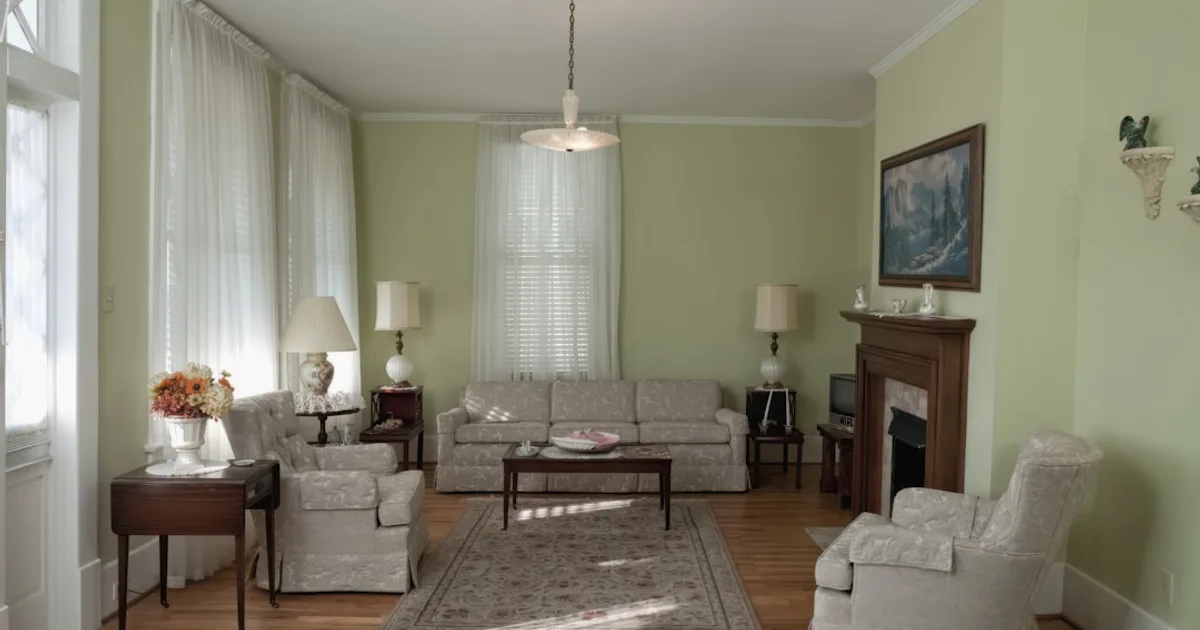
Farrow & Ball Mizzle is a warm, complex green that works in traditional and contemporary spaces. Dulux Sage Advice and similar mid-market equivalents get you most of the way there for considerably less money — a sensible move if you're trimming household expenses rather than splashing out on premium brands.
The key with green in a living room is warmth. Cool greens with blue undertones can feel slightly clinical. You want greens that sit closer to olive or sage on the spectrum — greens that remind you of plants rather than hospital walls.
Terracotta and warm earth tones: more versatile than they look
Terracotta has been building for a few years now and it's not going anywhere, because it solves a real problem: it adds warmth and color without the aggression of a strong red or the heaviness of a dark brown.
Used well, terracotta makes a living room feel genuinely warm and welcoming in a way that no neutral can replicate — a tone that also works beautifully on a small balcony when you're extending your living space outdoors. It works particularly well with natural materials — rattan, linen, raw wood, woven textiles. It catches warm artificial light beautifully in the evening.
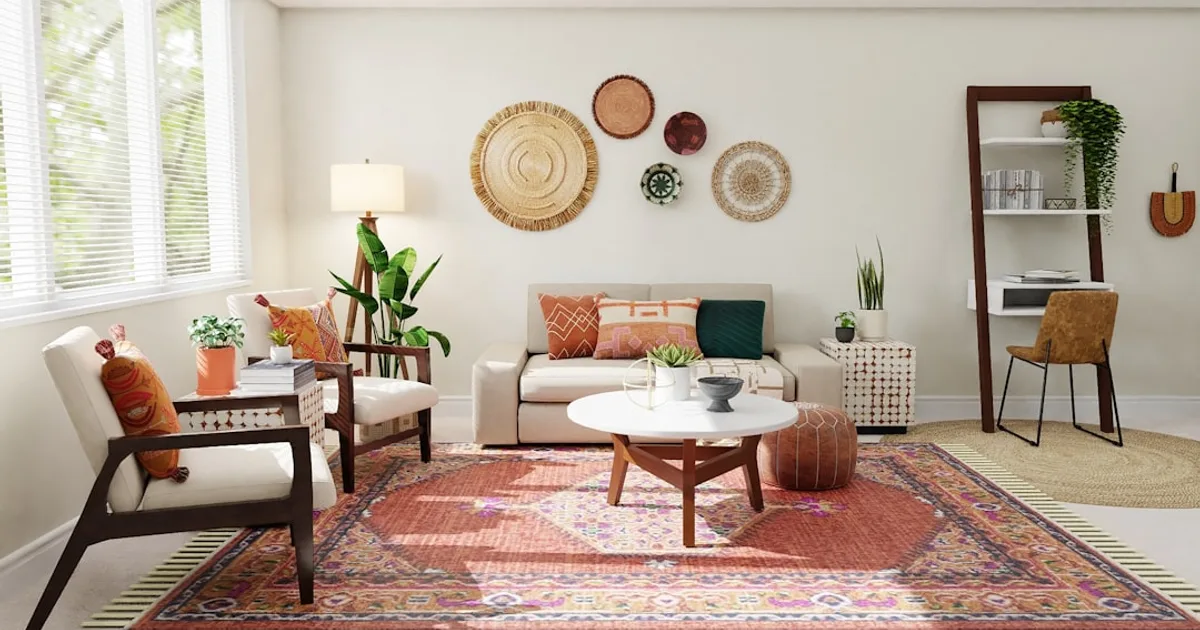
The caution is undertone. True terracotta has orange-red in it. In a room with lots of cool grey or blue tones, it can clash. In a room with warm wood, cream, and natural textures, it's exceptional.
Lighter versions — dusty pinks, warm clay tones, soft peach — are more flexible and work in a wider range of living rooms. Farrow & Ball Setting Plaster is the reference point here: a dusty pink with enough warmth to read as almost terracotta in certain lights, soft enough to work as a neutral in others.
Deep, moody colors: when to commit and how
Dark living rooms get a bad reputation based on execution that's done wrong. A deep navy, a forest green, a charcoal, or a warm dark burgundy used correctly can create the most beautiful, atmospheric living rooms — rooms that feel genuinely different from everything else.
The rules for making dark colors work are specific:
Lighting becomes everything. A dark room with poor lighting is oppressive. The same room with warm, layered lighting — floor lamps, table lamps, candles — feels enveloping and luxurious. Don't paint walls dark unless you're also willing to invest in lighting — including smart bulbs and dimmers that let you adjust warmth and brightness through the evening.
Ceiling and trim choices matter more. In a dark-walled room, a white ceiling lifts the space. Painting the ceiling the same dark color as the walls works in high-ceilinged rooms but can feel cave-like with standard ceiling heights.
Furniture contrast. Dark walls work best with furniture and textiles that provide some contrast — cream upholstery, natural wood, light rugs. An all-dark room reads as a mistake. A dark-walled room with considered lighter elements reads as intentional.
Farrow & Ball Hague Blue and Stiffkey Blue remain the reference points for deep living room blues. Little Greene Obsidian for those wanting a near-black with warmth. At more accessible price points, Dulux and Crown both offer credible alternatives.
The colors that are fading out
Millennial pink is done. The very pale blush that was everywhere in 2017–2020 now reads as dated in a way that's hard to ignore.
Cool greys — the slightly blue, slightly purple greys that dominated for much of the 2010s — are losing their appeal fast. Not all greys; warm greige tones with more brown and yellow in them still work. But the cold, blue-based greys that were called things like "Pebble Shore" and "Morning Mist" are starting to look like a specific era.
All-white rooms without texture or warmth are becoming harder to defend. Not because white is wrong, but because the execution has become lazy and the look is now associated with show homes and rental properties rather than genuine design.
How to actually choose
The most useful thing you can do before committing to a color is order physical samples — not digital swatches on a screen, not the little paint chips from the display. The same 48-hour sample rule applies when you're choosing wallpaper for a small room. Actual painted samples, ideally on A4 card or painted directly onto a patch of wall.
Live with them for at least 48 hours across different times of day and in different weather. A color that looks perfect on a bright sunny morning can look completely different on a grey afternoon or under artificial light in the evening.
Paint the sample in the actual corner of the room you're considering — not on a white card held up against the wall. The surrounding colors, flooring, and furniture will all affect how the paint reads.
One final thing: the finish matters as much as the color. Living rooms generally work best with a matte or eggshell finish — matte absorbs light and hides imperfections, eggshell has just enough sheen to be wipeable without reflecting light in a way that shows every brush mark. If you're renting and can't repaint, no-drill floating shelves let you refresh the room without touching the walls at all. High-gloss paint on living room walls is a very specific choice that requires very specific conditions to work. Most rooms, it doesn't.