The most expensive tomato mistake isn't buying the wrong variety or using poor soil. It's planting too early. Every year, enthusiastic gardeners put tomatoes in the ground at the first hint of warmth, get hit by a late frost, and watch their plants turn black overnight. The disappointment is significant. The fix is simple: understand what tomatoes actually need and let that — not the calendar, not eagerness — determine when you plant.
What tomatoes need to thrive
Tomatoes are warm-season crops that originated in South America. They are genuinely frost-intolerant — a single frost kills them. But it's not just about frost. Tomatoes also struggle in cold soil and cool night temperatures, even when there's no frost involved. Cold soil slows root development, makes plants susceptible to disease, and produces stunted growth that sets the whole season back by weeks.
The key numbers: soil temperature should be at least 16°C (60°F) at planting time, and night temperatures should reliably be above 10°C (50°F). Below these thresholds, tomatoes don't die but they don't really grow either. A tomato planted in warm soil two weeks later than one planted in cold soil will often catch up and overtake it within a month.
This is why "when to plant tomatoes" doesn't have a universal answer. It depends on where you live, your specific microclimate, and the weather in any given year — and on whether the spot you've chosen actually gets enough sun, which is a different question from the shade planting challenges elsewhere in the garden.
Starting from seed vs buying transplants
There are two ways to start tomatoes: from seed indoors, or by buying young plants (transplants) from a nursery or garden centre. Both are legitimate. The timing is different for each.
Starting from seed gives you access to a much wider range of varieties and costs a fraction of buying plants. The tradeoff is that you need to start 6–8 weeks before your last frost date — indoors, under grow lights or on a very bright windowsill. The seeds need warmth to germinate (around 21–27°C), and the seedlings need consistent light to grow stocky rather than leggy.
If you start seeds too early, you end up with large, root-bound plants that have outgrown their pots and are desperate to go outside — but it's still too cold. They deteriorate in pots. Start them at the right time and they'll be the perfect size to transplant when outdoor conditions are ready.
Buying transplants removes the seed-starting step entirely. You buy young plants in spring when the nurseries have them, and transplant once conditions are right. The plants are already 6–8 weeks old. The timing logic is the same — don't put them outside until soil and night temperatures are right — but you've saved yourself the indoor growing phase.
Finding your last frost date
Your last frost date is the single most important piece of information for tomato timing. Everything works backward from it.
In the UK, last frost dates vary significantly by region. Southern England and coastal areas typically see their last frost in late March to mid-April. The Midlands and northern England, late April to early May. Scotland and higher elevations, May or even early June in exposed areas.
In the US, the USDA Plant Hardiness Zone Map gives you a framework, but local last frost dates are more useful. The Old Farmer's Almanac website lets you enter your zip code and get a specific last frost date based on historical data.
These dates are averages, not guarantees. In any given year, a late frost can occur after the average date. Which is why most experienced gardeners use the last frost date as a guide and watch the actual forecast for the two weeks after they plant.
The seed-starting timeline
Working backward from a last frost date of, say, May 1st:
Start seeds indoors: approximately February 20th to March 1st. That's 8–10 weeks before last frost.
Begin hardening off (acclimatising plants to outdoor conditions): approximately April 15th — two weeks before last frost.
Transplant outdoors: May 1st or after, once frost risk has passed and soil has warmed.
Hardening off deserves its own explanation because skipping it is another common beginner mistake. Plants grown indoors have never experienced wind, temperature fluctuation, or direct unfiltered sunlight. Moving them straight from a warm indoor environment to outdoors — even in mild weather — stresses them severely and can set them back by weeks.
The process: start by putting plants outside in a sheltered spot for 1–2 hours in the middle of the day. Bring them in before evening. Over 10–14 days, gradually increase outdoor time, expose them to more sun and breeze, and eventually leave them out overnight when temperatures are safe. By the end, they're acclimatised and transplanting is barely a shock.
Transplanting: what to do and what to avoid
Tomatoes can be planted deeper than they were growing in their pots — right up to the bottom set of leaves. The buried stem develops roots, creating a more established, more drought-resilient plant. This is specific to tomatoes; most vegetables don't work this way.
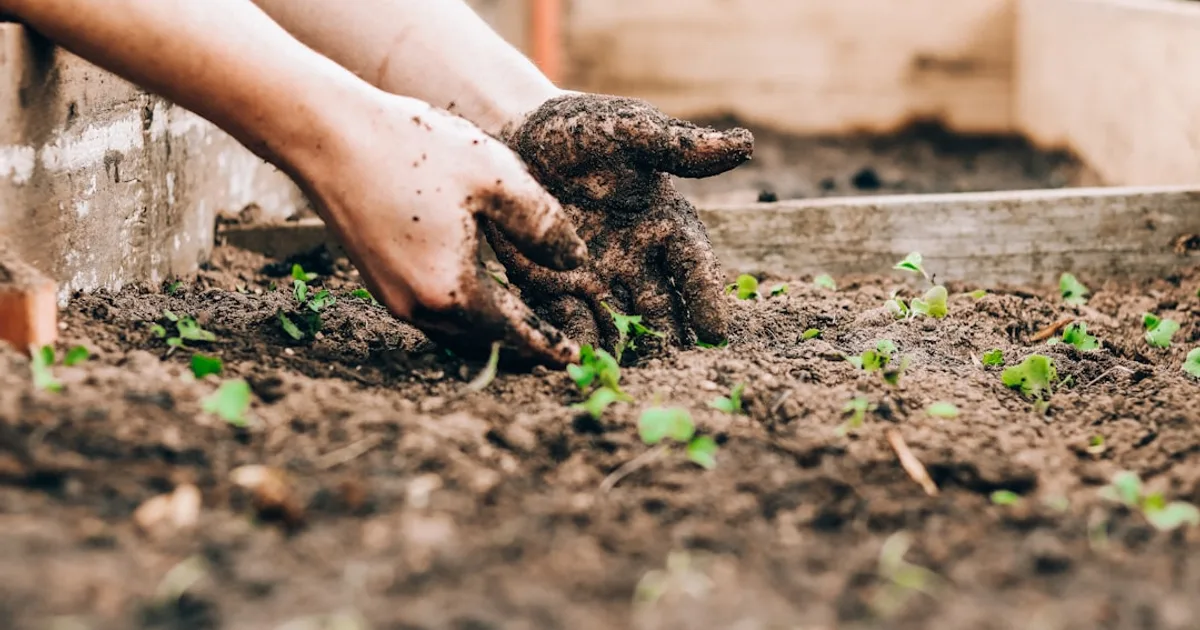
Choose a cloudy day or late afternoon for transplanting to reduce transplant shock. Water the plants well an hour before you move them. Dig a hole deeper than needed, add a handful of homemade compost if available, place the plant, firm the soil around it, and water in well.
Don't fertilise heavily immediately after transplanting. The plant needs time to establish its root system before you push it to grow. A light feed after two weeks is better than a heavy one on day one.
Stake or cage plants at planting time, not later. Driving stakes in after the roots are established disturbs them. Put the support in first.
Growing in containers and on balconies
If you don't have garden space, tomatoes grow well in containers — with some important conditions, much like the strawberries and herbs you'd plant on a small balcony.
Container size matters more than most guides admit. A container that's too small produces a stressed, stunted plant. For indeterminate (vine) varieties, you need at least a 40–50 litre container. For compact or bush varieties specifically bred for containers — Tumbling Tom, Balcony Red, Tiny Tim — a 20–30 litre pot is workable, similar to the container sizes recommended for home garden strawberries.
Container tomatoes dry out faster than ground-planted ones and need watering more frequently — potentially daily in hot weather, and especially vulnerable if you're away without a vacation watering plan in place. They also deplete nutrients from the limited soil volume faster and need regular feeding from about week four onward.
The timing rules are identical to garden tomatoes. Cold nights will damage container plants just as much as ground-planted ones. The advantage of containers is mobility — you can bring them in on unexpectedly cold nights until the weather settles.
Reading the plant, not just the calendar
Experienced tomato growers eventually stop relying primarily on dates and start reading the conditions directly. Soil temperature probes are cheap and genuinely useful — when the reading at 10cm depth is consistently above 16°C, conditions are right regardless of what the calendar says. Similarly, watching the five-day forecast and waiting for a settled warm period gives more confidence than a historical average date.
The signs that a transplanted tomato is establishing well: new leaf growth appearing within 10–14 days, firm stem, healthy colour. A plant that sits without growing for more than two weeks after transplanting is either too cold, too wet, or has a root problem. Investigate rather than waiting and hoping.
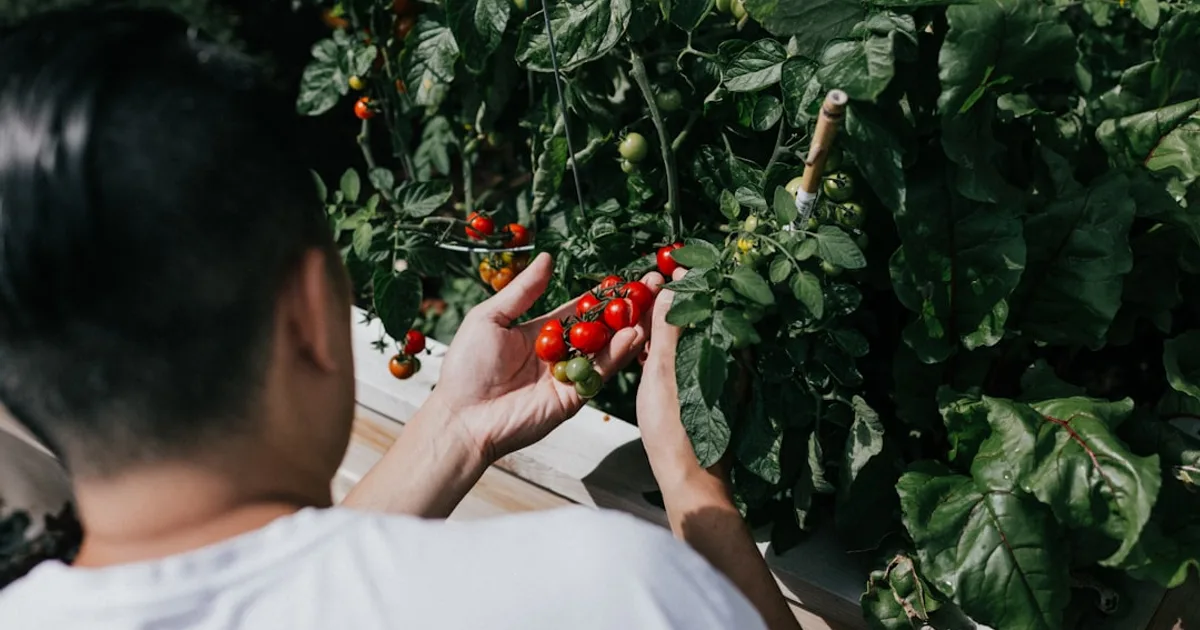
Tomatoes reward attention. The gardeners who get the best results aren't necessarily the most experienced — they're the ones who pay close attention to what the plants are telling them and adjust accordingly. Start at the right time, give them warmth and support, and they'll do most of the work themselves.