Reading is the most important academic skill a child will ever develop, and for most of human history it was taught at home before it was taught in schools. The idea that teaching a child to read requires professional training is relatively recent and not especially well-founded. What it requires is understanding how reading actually works — which is less complicated than the debate around it suggests — and consistency over months rather than weeks.
How reading works: the part most parents skip
Reading is not a natural skill the way speaking is. No child learns to read spontaneously through exposure the way they learn to talk. It requires explicit instruction in how written symbols map to sounds.
There are two main approaches to early reading instruction, and they have been debated for decades with an intensity disproportionate to the actual complexity of the evidence. Whole language approaches suggest children learn to read by encountering whole words in meaningful contexts, learning to recognise them and predict them from context. Phonics approaches teach children to decode words by learning the relationships between letters and sounds, which they then use to sound out unfamiliar words.
The evidence overwhelmingly supports systematic phonics as the most effective approach for most children. This isn't a fringe position — it's the consensus of the largest and most rigorous reading research conducted over the past thirty years. A child who can decode phonetically has a tool that works on any word they encounter. A child who has memorised word shapes can only read words they've already seen.
This doesn't mean phonics is the only thing that matters. Vocabulary, comprehension, background knowledge, and the motivation that comes from enjoying books all matter enormously. But phonics is the foundation, and starting there is the right call.
Is your child ready?
Readiness for formal reading instruction typically arrives between four and six, though there's genuine variation. Pushing a child who isn't ready produces frustration without progress. The signs that a child is ready: they're interested in books and print, they can sit and attend to a short activity for five to ten minutes, they can hear and reproduce rhymes, and they can recognise their own name in writing.
Pre-reading skills that develop before formal instruction matter more than parents usually appreciate. Phonemic awareness — the ability to hear and manipulate individual sounds in spoken words — is one of the strongest predictors of reading success and develops through oral language activities long before a child touches a book. Rhyming games and clapping syllables are the same kinds of developmental play activities that build real skills while children think they're just having fun. Rhyming games, clapping syllables, identifying the first sound in spoken words ("cat starts with /k/ — what else starts with /k/?") — these are reading preparation even though they involve no reading at all.
Teaching phonics at home
You don't need a curriculum, though a structured one makes it easier and faster. If you're starting from scratch, the sequence that works is: letter sounds before letter names, single sounds before blends, simple words before complex ones.
Start with the most common and useful sounds. A set of eight to ten letters — s, a, t, p, i, n, m, d — allows a child to decode dozens of simple words and experience success early. Success matters. A child who reads their first real word feels something that sustains the effort through harder material ahead.
Introduce one new sound at a time. Spend a few days on each before moving on — reading it in words, writing it, finding it in books around the house. Don't move forward until the current sound is solid. Rushing produces a wobbly foundation.
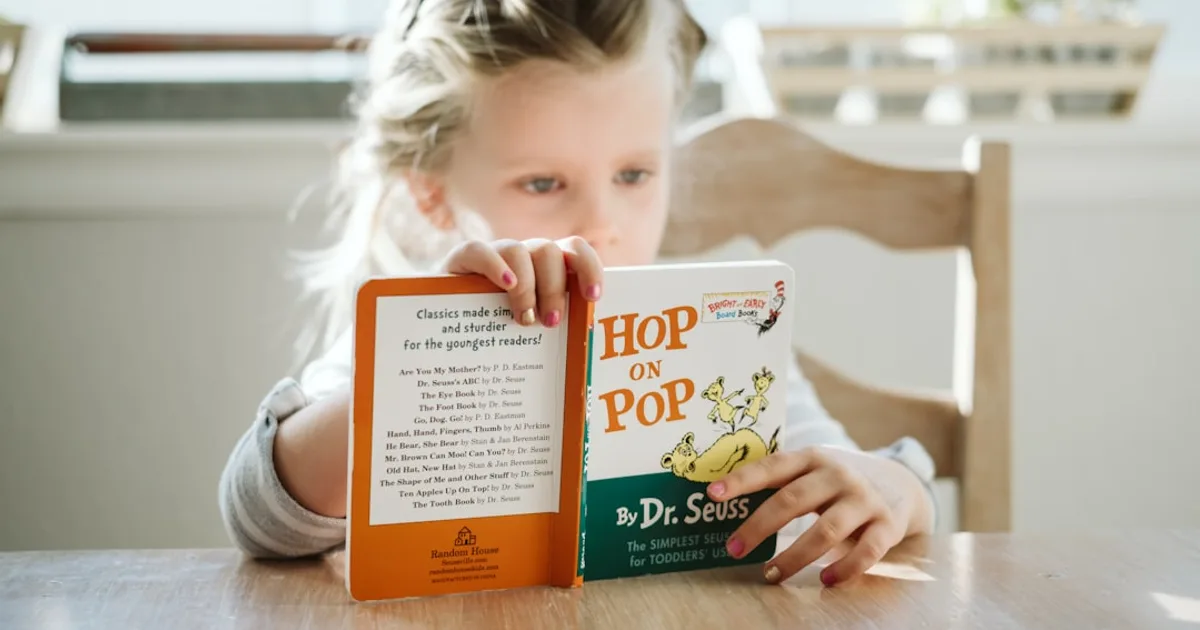
Blending is the core skill to develop: taking individual sounds and running them together to make a word. Many children find this difficult initially. Practice orally before applying it to print — "I'm going to say some sounds slowly, you tell me the word: /d/ /o/ /g/." Once that's fluent, transfer to letters on a page.
Decodable readers — books written specifically to use only the phonics patterns a child has been taught — are worth buying or borrowing from a library. They look simple to adult eyes and feel simple to us, but they provide a child with the experience of reading a whole real book using only the skills they have. That experience is more valuable than it looks.
What to do alongside phonics
Read aloud to your child every day, regardless of what stage they're at — ideally as part of a consistent evening sleep routine that signals wind-down time. This is not supplementary — it's essential. Reading aloud builds vocabulary, comprehension, knowledge of how stories work, and the motivation to become a reader. Children who are read to extensively tend to become better readers than their phonics instruction alone would predict, because they arrive at each new word with more context and background knowledge to draw on.
Choose books that are above their current independent reading level for read-alouds. The books they read themselves will be simple for a long time. The books you read to them can be as rich and complex as they can follow. Don't underestimate what children can understand when they're listening rather than decoding.
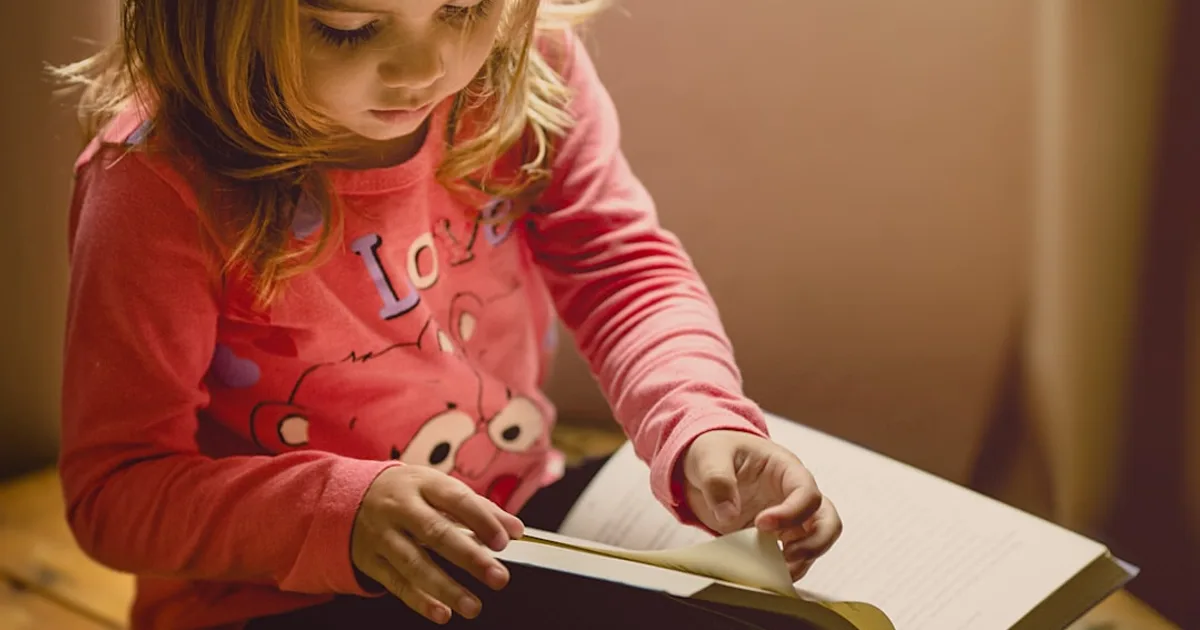
Talk about books. Ask questions — not comprehension tests, but genuine curiosity. What do you think she'll do? Why did he say that? Have you ever felt like that? These conversations build the comprehension skills that eventually allow a child to do more than decode words accurately — to actually understand and think about what they're reading.
Common problems and what causes them
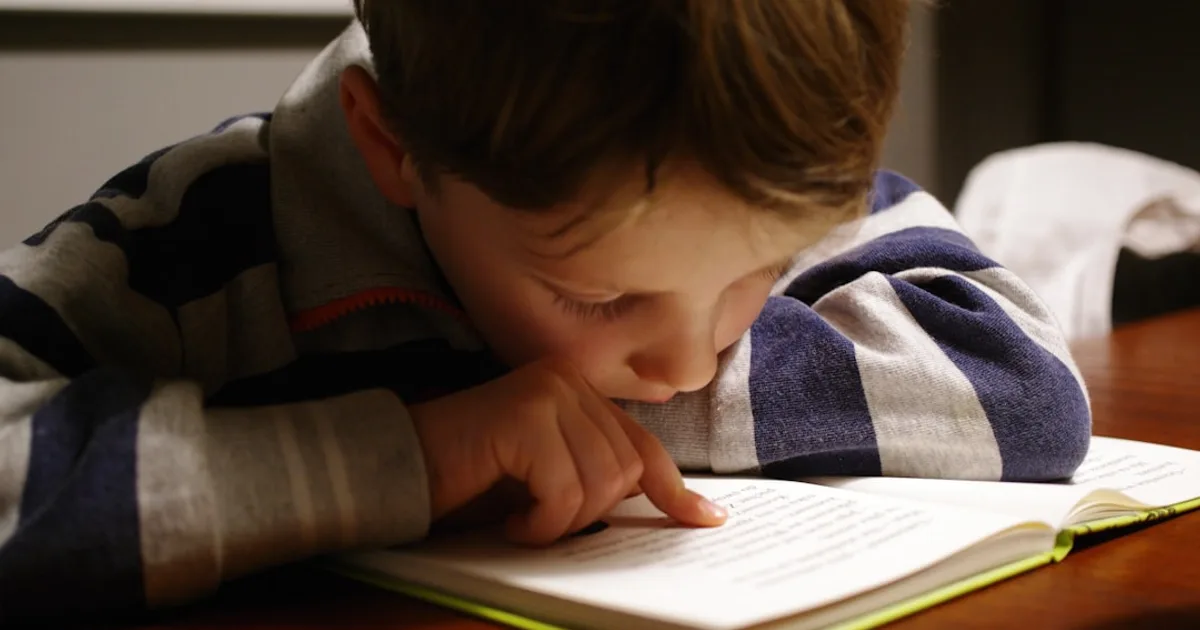
The child can read single words but loses comprehension when reading a whole sentence. This is normal in early stages — so much cognitive effort goes into decoding that there's little left for meaning. Fluency — reading words quickly and automatically without effort — is what frees up the cognitive capacity for comprehension. Lots of reading practice with easy material builds fluency faster than hard material does.
The child guesses words from pictures or first letters rather than sounding out. This is a compensating strategy that works in the short term and limits progress in the longer term. When it happens, cover the picture, point to each letter, and ask them to sound it out rather than guess. It feels slower. It produces better readers.
The child is resistant or upset during reading practice. Lessons should end before the child is tired of them — the same principle as knowing when to stop procrastinating on a task and return fresh rather than pushing through frustration. Five minutes of engaged practice is worth more than fifteen minutes of resistance. If every session ends in tears, the sessions are too long or too hard. Back up to material they can succeed at and rebuild confidence before moving forward.
Progress has plateaued and nothing new seems to be sticking. Check whether the foundations are genuinely solid. A child who hasn't fully mastered earlier sounds will struggle to build on them. Going back to review earlier material isn't failure — it's addressing the actual problem.
How long it takes
Teaching a child to read from the beginning to independent chapter-book reading takes, with regular practice, roughly one to two years for most children. That's with consistent daily sessions of ten to fifteen minutes — not hours, not intensive drilling, just regular short practice that accumulates over time. Slotting those sessions into a stable morning routine makes consistency easier than trying to fit practice in whenever the day allows.
The children who learn to read most fluently are almost always children who read a lot once they can — which is easier to protect when screen time isn't displacing books and face-to-face conversation. Getting a child to the point where reading is possible is the parent's job. Getting them to the point where they genuinely want to read is the more important, less controllable, longer-term work — which is built through years of books read aloud, stories told, libraries visited, and reading treated as something valuable rather than something compulsory.